1. Introduction
Historically, mathematics curricula have prioritized the approach to financial mathematics, focusing on algorithmic aspects, which has led to an educational practice emphasizing memorization or rote-learning of formulas (Silva, 2022). Some aspects of financial education (FE) aim at the market, focusing mainly on interest, amounts, and investments, among others (Pessoa, 2016; Figueiredo; Begosso, 2020). Other approaches focus on teaching FE that can be used in students’ daily lives to encourage reducing consumerism (Silva; Powell, 2013).
Another relevant factor supporting the relevance of this research for emancipatory training in relation to FE is the number of families that entered the poverty line due to indebtedness stemming from the economic and health crisis triggered by the COVID-19 pandemic. Data from the World Bank Group in 2020, presented in the report “Poverty and Shared Prosperity”, indicated that the pandemic could trigger an economic downturn, leaving more than 150 million people below the poverty line by the end of 2021. However, subsequent data show that the effects were even stronger. In 2022, 77.9% of Brazilian families were in debt, a 14.3% increase from 2019 (CNC, 2022). Since then, the scenario has remained worrying: household indebtedness has remained stable at historically high levels, from 76.7% in December 2024 to 77.6% in April 2025; currently, 29.1% of households have debts in arrears, and the proportion of income committed to debt reached 27.2% in February 2025 (CNC, 2025).
In addition, studies analyzing the period from 2017 to 2024 show that, although indebtedness grew during the pandemic (reaching 70.9% in 2021), from 2022 onwards it stabilized at this high level. The study highlights regional disparities and notes that factors such as impulsivity, cognitive biases, and uncertainty contributed to financial decisions, which were aggravated by macroeconomic shocks (FGV/IBRE, 2024).
Established in 2011, the National Strategy for Financial Education (Estratégia Nacional de Educação Financeira–ENEF) established guidelines to promote financial culture in the country, guiding public policies aimed at developing competencies for more conscious and responsible decisions. In this context, and in view of the growth of the population’s indebtedness, the Federal Government launched, in July 2023, the emergency program Simplify Brazil [Desenrola Brasil], aimed at the renegotiation of debts and the reintegration of defaulting individuals into the financial system, incorporating educational actions of a formative nature in financial education (Brasil, 2023).
According to Mosca (2009), the causes of household indebtedness can be divided into two distinct classes: the first, linked to microeconomic factors, in which each family’s behavior plays a role, and the second, linked to macroeconomic factors that do not depend directly on families’ behavior. Barbosa (2020) notes that reductions in household income, the absence of an FE, the unrestricted granting of credit, and unemployment have increased indebtedness.
FE is fundamental in the professional training of young people entering the world of work, especially in a context marked by consumerism and easy access to credit. Understanding how to plan spending, assess priorities, and deal with consumer offers is crucial to ensuring citizenship.
In view of the above, this article aims to understand how financial education is approached in the context of vocational and technological education (VTE).
2. 2 Theoretical Framework
2.1. Vocational and Technological Education (VTE)
This work is grounded in the theories of vocational and technological education (VTE), financial education (FE), the knowledge necessary for the mathematics teacher, the theory of the onto-semiotic approach (OSA), and the didactic suitability (DS).
VTE is a modality provided for in the Law of Guidelines and Bases of National Education (Lei de Diretrizes e Bases da Educação Nacional–LDB) and is not aimed at young people only; it covers students and workers at different stages of life, through qualification courses, technical high school, and undergraduate and graduate courses (Brasil, 1996; Brasil, 2022). According to the Ministry of Education (MEC), VTE aims to train professional practice and can be organized in technological axes, integrating general and technical training at all levels of education, always oriented to the world of work (Brasil, 2022).
2.2. Guiding principles of the VTE
The VTE is governed by guiding principles defined in Chapter 2, Article 3, of Resolution 1/21 of the CNE/CP, which defines the General National Curriculum Guidelines for Vocational and Technological Education, as shown in Chart 1:
Chart 1 – VTE guiding principles
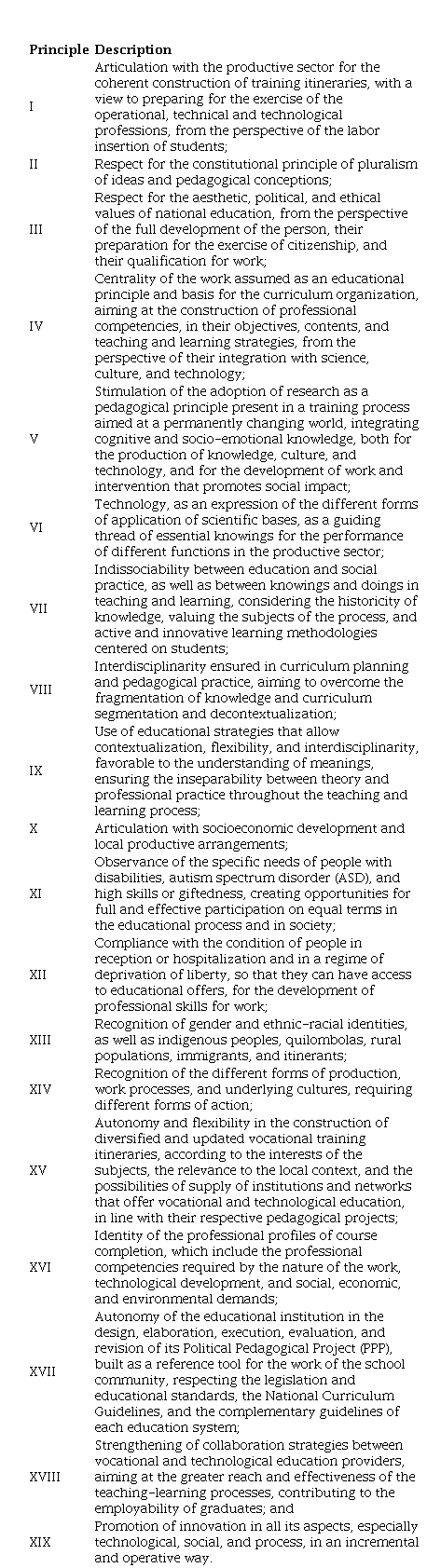 Source: Prepared by the author, 2022
| Principle | Description |
| I | Articulation with the productive sector for the coherent construction of training itineraries, with a view to preparing for the exercise of the operational, technical and technological professions, from the perspective of the labor insertion of students; |
| II | Respect for the constitutional principle of pluralism of ideas and pedagogical conceptions; |
| III | Respect for the aesthetic, political, and ethical values of national education, from the perspective of the full development of the person, their preparation for the exercise of citizenship, and their qualification for work; |
| IV | Centrality of the work assumed as an educational principle and basis for the curriculum organization, aiming at the construction of professional competencies, in their objectives, contents, and teaching and learning strategies, from the perspective of their integration with science, culture, and technology; |
| V | Stimulation of the adoption of research as a pedagogical principle present in a training process aimed at a permanently changing world, integrating cognitive and socio-emotional knowledge, both for the production of knowledge, culture, and technology, and for the development of work and intervention that promotes social impact; |
| VI | Technology, as an expression of the different forms of application of scientific bases, as a guiding thread of essential knowings for the performance of different functions in the productive sector; |
| VII | Indissociability between education and social practice, as well as between knowings and doings in teaching and learning, considering the historicity of knowledge, valuing the subjects of the process, and active and innovative learning methodologies centered on students; |
| VIII | Interdisciplinarity ensured in curriculum planning and pedagogical practice, aiming to overcome the fragmentation of knowledge and curriculum segmentation and decontextualization; |
| IX | Use of educational strategies that allow contextualization, flexibility, and interdisciplinarity, favorable to the understanding of meanings, ensuring the inseparability between theory and professional practice throughout the teaching and learning process; |
| X | Articulation with socioeconomic development and local productive arrangements; |
| XI | Observance of the specific needs of people with disabilities, autism spectrum disorder (ASD), and high skills or giftedness, creating opportunities for full and effective participation on equal terms in the educational process and in society; |
| XII | Compliance with the condition of people in reception or hospitalization and in a regime of deprivation of liberty, so that they can have access to educational offers, for the development of professional skills for work; |
| XIII | Recognition of gender and ethnic-racial identities, as well as indigenous peoples, quilombolas, rural populations, immigrants, and itinerants; |
| XIV | Recognition of the different forms of production, work processes, and underlying cultures, requiring different forms of action; |
| XV | Autonomy and flexibility in the construction of diversified and updated vocational training itineraries, according to the interests of the subjects, the relevance to the local context, and the possibilities of supply of institutions and networks that offer vocational and technological education, in line with their respective pedagogical projects; |
| XVI | Identity of the professional profiles of course completion, which include the professional competencies required by the nature of the work, technological development, and social, economic, and environmental demands; |
| XVII | Autonomy of the educational institution in the design, elaboration, execution, evaluation, and revision of its Political Pedagogical Project (PPP), built as a reference tool for the work of the school community, respecting the legislation and educational standards, the National Curriculum Guidelines, and the complementary guidelines of each education system; |
| XVIII | Strengthening of collaboration strategies between vocational and technological education providers, aiming at the greater reach and effectiveness of the teaching-learning processes, contributing to the employability of graduates; and |
| XIX | Promotion of innovation in all its aspects, especially technological, social, and process, in an incremental and operative way. |
Among the principles listed, we can highlight I, IV, VI, XIII, and XV as those that address the relationship between training and the world of work. It is important to emphasize that such principles require solid arrangements in the curriculum aiming at students’ comprehensive education formation at different stages of life, and not just the young public. In this context, it is relevant to understand how the proposal for integrated training, especially in high school integrated with vocational and technological education, materializes such principles and contributes to overcoming the fragmentation between general education and vocational training.
According to Ciavatta (2005), integrated training, or high school integrated with technical education, aims to secure general and vocational education for work preparation, from production processes to educational processes in technical, technological, and higher education. The author also ratifies guideline provisions for VTE and reinforces the importance of training workers to work across various work fronts, overcoming the division of manual and intellectual work.
High school education integrated with vocational and technological education is a teaching modality that aims to articulate the general knowledge of basic education with technical-vocational content. This integration provides solid training, aligned with the demands of contemporary society, preparing students for both the continuity of studies in higher education and direct insertion into the world of work (Pacheco; Morigi, 2012).
2.3. Financial education: capital x school
Mathematics, in the context of vocational and technological education, is a strategic area, especially because of the possibility of integrating discussions on FE. This integration can assume two distinct orientations. The first, focused on capital, emphasizes financial investments and consumption-related investment practices. Stafuzza and Pereira (2021, p. 1714) warn that there is a “… proliferation of homo economicus’ discourses: a subject free to invest, buy and profit, promoting an individualistic way of life, based on exclusively personal gain and well-being.”
The second, called school financial education¹, has a formative and critical character, seeking to prepare the school community to consciously address personal and social financial issues, in line with Silva and Powell (2013).
In this sense, school financial education aims to provide students, teachers, and other members of the school community with an understanding of how the financial market functions, the reading and interpretation of banking documents and products, and a critical analysis of the risks and benefits involved in financial transactions. This approach expands the social function of mathematics by fostering subjects capable of making informed, socially responsible decisions. As stated by Silva and Powell (2013, p. 13):
[...] understanding the basics of finance and economics to develop a critical reading of the financial information present in society; learning to use knowledge of school and financial mathematics to support decision-making in financial matters; developing an analytical thinking about financial issues, that is, a thinking that allows you to evaluate opportunities, risks, and pitfalls in financial matters; developing a methodology for planning, managing, and investing your finances through mathematically based decisions in your personal life and helping your family nucleus; critically analyzing the current themes of consumer society (Silva and Powell, 2013, p. 13).
Thus, Figure 1 visually summarizes this distinction between financial education and school financial education, highlighting their conceptual differences and formative purposes.
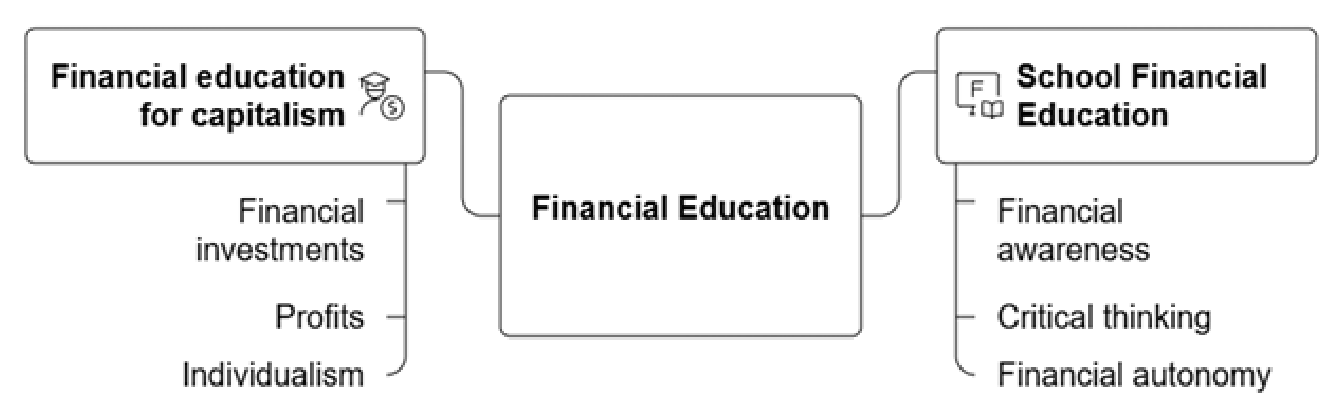 Figure 1: Financial Education: School and Capital
Source: Prepared by the author, 2023
We understand that the FE aspect that aligns with the guiding principles of the VTE is school financial education (SFE). Through it, it is possible to promote reflections favoring citizen and emancipatory formation. In this sense, Sthepani (2005) highlights the liberating capacity of FE and its potential to build the subjects’ autonomy.
In addition, the responsibility for critical education does not rest solely on students; it involves all actors in the educational process. FE, in this context, is a link between different areas of knowledge, promoting interdisciplinarity and providing tools that enable students to develop their autonomy (Freire, 1996). As Sthepani (2005, p. 12) states, “financial education will not only be an apprenticeship in the school phase, but will accompany the student throughout their existence”.
In this same direction, Silva and Powell (2013, p. 12) emphasize that SFE should provide students with the opportunity to understand and critically analyze the universe of finance and economics, so that they can “make informed decisions, exercise critical judgments, and position themselves in the face of financial issues involving their personal and family lives, and the society in which they live.”
2.4. School financial education and emancipation
School financial education meets the principles of the VTE by proposing a critical, reflective, and emancipatory education. It promotes discernment between consumption and consumerism (Bauman, 2008), fosters autonomy (Sthepani, 2005), and contributes to a more conscious financial citizenship.
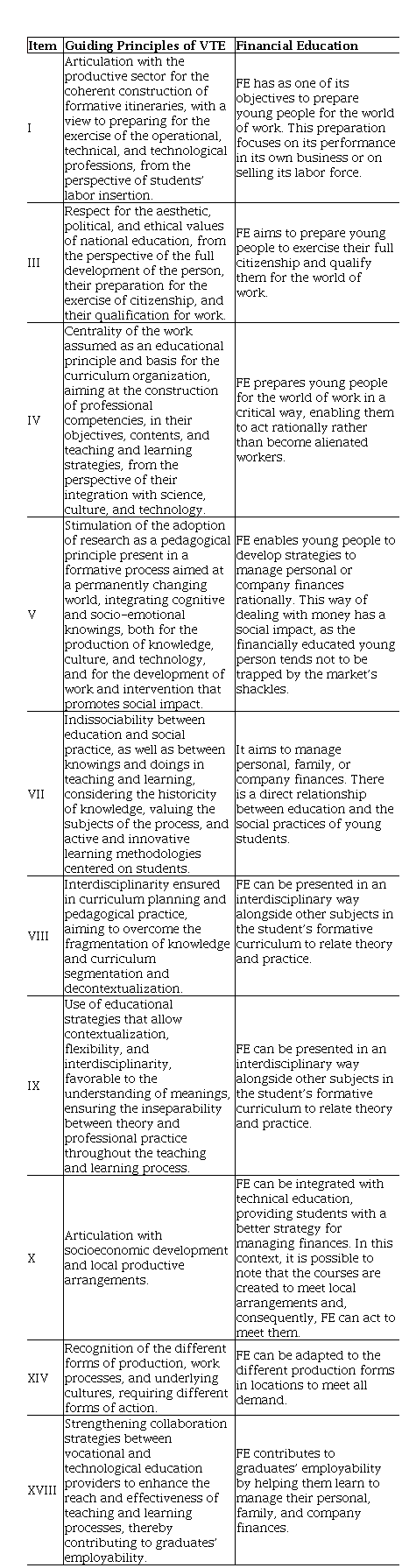
To explain this relationship, Chart 2 was prepared based on the reading of CNE/CP Resolution No. 1/2021 and references from the area. In it, some guiding principles of the VTE are presented in dialogue with possible contributions from the FE, highlighting their complementarity.
Chart 2 – Guiding Principles of VTE x Financial Education
 Source: Prepared by the author, 2023
| Item | Guiding Principles of VTE | Financial Education |
| I | Articulation with the productive sector for the coherent construction of formative itineraries, with a view to preparing for the exercise of the operational, technical, and technological professions, from the perspective of students’ labor insertion. | FE has as one of its objectives to prepare young people for the world of work. This preparation focuses on its performance in its own business or on selling its labor force. |
| III | Respect for the aesthetic, political, and ethical values of national education, from the perspective of the full development of the person, their preparation for the exercise of citizenship, and their qualification for work. | FE aims to prepare young people to exercise their full citizenship and qualify them for the world of work. |
| IV | Centrality of the work assumed as an educational principle and basis for the curriculum organization, aiming at the construction of professional competencies, in their objectives, contents, and teaching and learning strategies, from the perspective of their integration with science, culture, and technology. | FE prepares young people for the world of work in a critical way, enabling them to act rationally rather than become alienated workers. |
| V | Stimulation of the adoption of research as a pedagogical principle present in a formative process aimed at a permanently changing world, integrating cognitive and socio-emotional knowings, both for the production of knowledge, culture, and technology, and for the development of work and intervention that promotes social impact. | FE enables young people to develop strategies to manage personal or company finances rationally. This way of dealing with money has a social impact, as the financially educated young person tends not to be trapped by the market’s shackles. |
| VII | Indissociability between education and social practice, as well as between knowings and doings in teaching and learning, considering the historicity of knowledge, valuing the subjects of the process, and active and innovative learning methodologies centered on students. | It aims to manage personal, family, or company finances. There is a direct relationship between education and the social practices of young students. |
| VIII | Interdisciplinarity ensured in curriculum planning and pedagogical practice, aiming to overcome the fragmentation of knowledge and curriculum segmentation and decontextualization. | FE can be presented in an interdisciplinary way alongside other subjects in the student’s formative curriculum to relate theory and practice. |
| IX | Use of educational strategies that allow contextualization, flexibility, and interdisciplinarity, favorable to the understanding of meanings, ensuring the inseparability between theory and professional practice throughout the teaching and learning process. | FE can be presented in an interdisciplinary way alongside other subjects in the student’s formative curriculum to relate theory and practice. |
| X | Articulation with socioeconomic development and local productive arrangements. | FE can be integrated with technical education, providing students with a better strategy for managing finances. In this context, it is possible to note that the courses are created to meet local arrangements and, consequently, FE can act to meet them. |
| XIV | Recognition of the different forms of production, work processes, and underlying cultures, requiring different forms of action. | FE can be adapted to the different production forms in locations to meet all demand. |
| XVIII | Strengthening collaboration strategies between vocational and technological education providers to enhance the reach and effectiveness of teaching and learning processes, thereby contributing to graduates’ employability. | FE contributes to graduates’ employability by helping them learn to manage their personal, family, and company finances. |
Of the nineteen principles that guide vocational and technological education training, ten have a direct relationship with financial education, representing just over 50% of the total. This relationship is evidenced in different ways, especially students’ preparation for the world of work, in the strengthening of the exercise of citizenship, in the development of skills to manage personal, family, and professional finances rationally, in the contribution to the reduction of family indebtedness, and in the promotion of interdisciplinary training articulated with the technical basis of VTE.
Given this scenario, a central question emerges: Who is responsible for articulating FE and VTE in the school context? On the one hand, FE brings together a set of knowledge that students must acquire; on the other hand, VTE presents formative principles that structure professional preparation. We understand that this articulation must be assumed primarily by the mathematics teacher, although teachers from other areas can also play a significant role in this process.
In this sense, it is essential to reflect on the knowledge the teacher must mobilize to teach FE in dialogue with VTE. While VTE aims to train subjects for the world of work in a polytechnic, omnilateral, critical, and emancipatory way, FE adds the dimension of financial awareness, oriented to the understanding of personal, family, and professional finances. This perspective also problematizes the relationships between consumption and consumerism, unnecessary expenses, and the mechanisms of seduction inherent to capitalist logic. According to Bauman (2008), FE is a sociological issue involving consumption, credit, and indebtedness, requiring teachers to have a solid, critical education so they can teach it adequately in this context.
2.5. Teaching knowledge and the onto-semiotic approach (OSA)
Before addressing the teacher’s role as an articulator between VTE and FE, we must understand the onto-semiotic approach to mathematics knowledge and instruction (OSA). This theory underlies part of this discussion. The OSA started from a subject on the didactics of mathematics offered in the doctorate program at the University of Granada, Spain, and was developed by the research group Teoría y Metodología de Investigación en Educación Matemática, led by Juan D. Godino. This theory seeks to articulate and compare different approaches to mathematics teaching and learning, improving them in an integrative perspective.
According to the definition presented by Godino (EOS, 2023):
The OSA is an inclusive theoretical system that attempts to articulate several approaches and theoretical models used in research in the field of mathematics education, grounded in anthropological and semiotic assumptions about mathematics and its teaching. It was initiated by the research group Teoria da Educação Matemática at the University of Granada in the early 1990s, and is currently developed and applied by other Spanish and Latin American research groups. (EOS, 2023)².
The OSA proposes to analyze the didactic-mathematical knowledge necessary for the teacher, structured in three dimensions:
• Mathematical dimension — composed of common knowledge and expanded knowledge of mathematical content;
• Didactic dimension — which integrates the six facets of the DMK, presented later in this chapter;
• Didactic-mathematical target dimension — referring to knowledge about norms and metanorms, contextual restrictions, reflections on teaching practice, and appreciation of didactic suitability as a criterion to guide teaching.
In addition to these dimensions, the DMK proposes a set of six interconnected facets and four hierarchical levels that serve to categorize and organize the knowledge necessary for the mathematics teacher in the context of teaching and learning.
Figure 3 systematizes the facets and levels of knowledge that make up the DMK, offering a comprehensive view of the model proposed by Godino (2009).
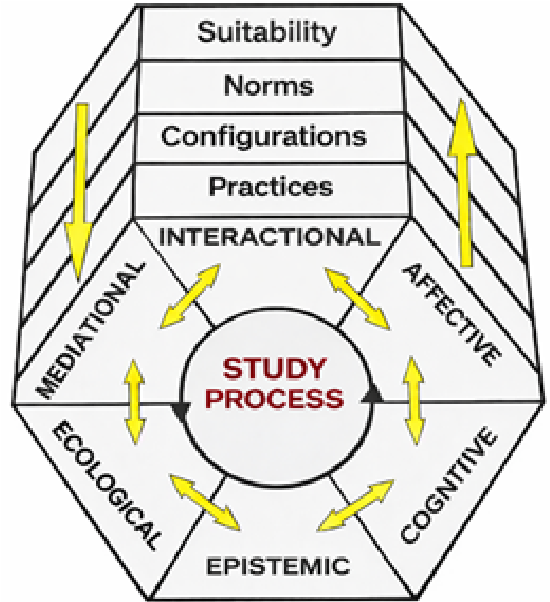 Figure 3: Facets and levels of teacher knowledge
Source: Godino (2009) Such
facets are described as follows:
• Epistemic: linked to the mathematical knowledge involved in the educational context and its organization with the teaching process;
• Cognitive: enables the teacher to get to know their students better, because, through reflection and evaluation, they will be able to follow the learning process;
• Affective: related to students’ affective side, bringing elements related to emotions, beliefs, values, and others.
• Mediational refers to the teacher’s knowledge in the choice and use of technologies for teaching;
• Interactional: the teacher’s ability to understand, predict, evaluate, etc., the relationships between teachers and students and among students.
• Ecological: the teacher’s ability to relate the curriculum to the social, political, and economic environment.
The articulation of these facets shows that the knowledge of the mathematics teacher cannot be reduced to the mastery of disciplinary content, but must integrate multiple dimensions that dialogue with one another. In this sense, understanding the complexity of didactic-mathematical knowledge (DMK) is fundamental for teachers to plan, conduct, and evaluate teaching situations that reflectively articulate VTE and FE. Regarding the levels of analysis of educational practice, we focused on didactic suitability, as follows in section 2.6.
2.6. Didactic suitability (DS)
The relationship between teaching and learning in the context of mathematics requires the educator to engage in continuous reflection on their practice to identify opportunities for improvement and pedagogical innovation. At this point, the notion of DS becomes central, offering components and indicators that help the teacher assess the suitability and relevance of their didactic decisions (Godino, 2009; Godino, Batanero, Burgos, 2023).
Thus, didactic suitability can be understood as a guiding criterion for teaching that enables the teacher to assess whether the proposed practices align with the formative objectives of the VTE and the critical and emancipatory purposes of FE. This integrative look enables teachers to articulate mathematical content with the concrete problems of students’ lives, favoring both technical and vocational education and the development of autonomy and financial citizenship.
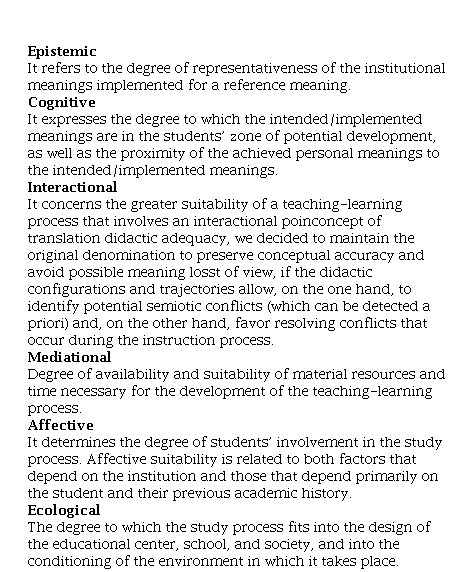
The six dimensions related to the didactic suitability process, according to the models proposed by Godino, Batanero, and Font (2008) and Godino, Batanero, and Burgos (2023), are described in Chart 3.
Chart 3: Criteria of didactic suitability
 Source: Adapted from Godino, Batanero, and Font (2008) and Godino, Batanero, and Burgos (2023).
| Epistemic |
| It refers to the degree of representativeness of the institutional meanings implemented for a reference meaning. |
| Cognitive |
| It expresses the degree to which the intended/implemented meanings are in the students’ zone of potential development, as well as the proximity of the achieved personal meanings to the intended/implemented meanings. |
| Interactional |
| It concerns the greater suitability of a teaching-learning process that involves an interactional poinconcept of translation didactic adequacy, we decided to maintain the original denomination to preserve conceptual accuracy and avoid possible meaning losst of view, if the didactic configurations and trajectories allow, on the one hand, to identify potential semiotic conflicts (which can be detected a priori) and, on the other hand, favor resolving conflicts that occur during the instruction process. |
| Mediational |
| Degree of availability and suitability of material resources and time necessary for the development of the teaching-learning process. |
| Affective |
| It determines the degree of students’ involvement in the study process. Affective suitability is related to both factors that depend on the institution and those that depend primarily on the student and their previous academic history. |
| Ecological |
| The degree to which the study process fits into the design of the educational center, school, and society, and into the conditioning of the environment in which it takes place. |
Considering the six dimensions that make up didactic suitability, it is clear that all offer relevant subsidies for the evaluation and improvement of teaching practice. However, when it comes to integrating FE into the VTE context, the ecological dimension stands out. This is because it allows us to analyze the extent to which teaching is linked to the official curriculum, socio-professional arrangements, democratic values, and broader social demands. Thus, understanding ecological suitability is essential to assess whether mathematics teaching, associated with FE, effectively contributes to the comprehensive formation of students and their critical insertion into the world of work and society.
2.7. Ecological didactic suitability
Among the dimensions that make up didactic suitability, the ecological dimension is particularly relevant to the analysis of mathematics teaching in conjunction with FE VTE. This dimension enables us to assess the degree to which the teaching and learning process aligns with the curriculum, social values, the demands of the world of work, and interdisciplinary connections, which can contribute to students’ comprehensive training.
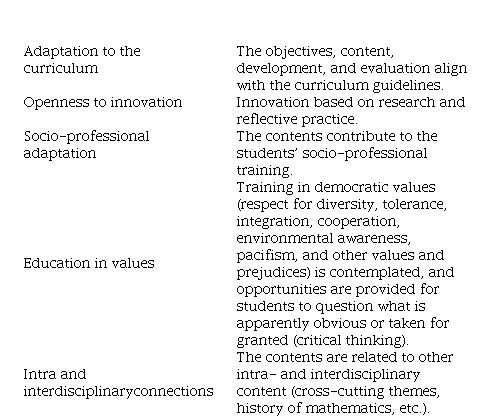
Chart 4 summarizes the main components and indicators of the ecological didactic suitability:
Chart 4: Criteria of ecological didactic suitability
 Source: Prepared by the author, 2023
| Adaptation to the curriculum | | The objectives, content, development, and evaluation align with the curriculum guidelines. |
| Openness to innovation | Innovation based on research and reflective practice. |
| Socio-professional adaptation | The contents contribute to the students’ socio-professional training. |
| Education in values | Training in democratic values (respect for diversity, tolerance, integration, cooperation, environmental awareness, pacifism, and other values and prejudices) is contemplated, and opportunities are provided for students to question what is apparently obvious or taken for granted (critical thinking). |
| Intra and interdisciplinaryconnections | The contents are related to other intra- and interdisciplinary content (cross-cutting themes, history of mathematics, etc.). |
The components and indicators capture essential dimensions for understanding the articulation between FE and VTE in the teaching and learning process. Adaptation to the curriculum entails ensuring coherence among objectives, content, development, and evaluation, in line with the current curriculum guidelines. Openness to innovation requires incorporating research-based practices and teacher reflection, fostering pedagogical renewal. Socio-professional adaptation highlights the relevance of content to students’ preparation for the demands of the world of work. Value education encompasses the promotion of democratic principles, such as respect for diversity, cooperation, tolerance, and environmental awareness, and the stimulation of critical thinking. Finally, intra- and interdisciplinary connections reinforce the need to integrate mathematical content with other areas of knowledge, expanding the understanding of social, economic, and cultural phenomena that cross the subjects’ training in VTE.
3. 3 Methodology
This qualitative research sought to list dissertations produced by institutions affiliated with the Programa de Pós-Graduação em Educação Profissional Tecnológica (ProfEPT), analyze dissertations focused on FE, and discuss their importance for students’ comprehensive formation, in light of the ecological dimension of the theory of didactic suitability.
ProfEPT is a networked program comprising 40 associated institutions across different states of the country. The objective of the program is to promote training in vocational and technological education to professionals of the Rede Federal de Educação Profissional, Científica e Tecnológica (RFEPCT), focusing on the development of scientific production and the development of products aimed at the production of knowledge and the development of products that seek to dialogue with the demands of the world of work.
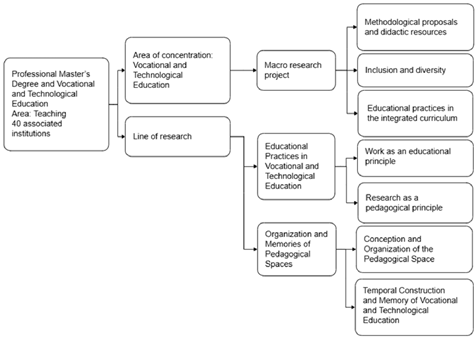 Figure 4: Overview of ProfEPT
Source: ProfEPT Observatory (2025)
First, we conducted a survey of academic publications on FE within the scope of the ProfEPT master’s degree. For this, we searched the repository of the Federal Institute of Espírito Santo (IFES), the institution responsible for managing the program’s network. This repository concentrates all the master’s dissertations produced by the institutions that make up the national network.
In this initial stage, we identified 1,613 dissertations registered in the program. After extracting these data, a table was created containing the information needed to map which productions were related to the FE theme.
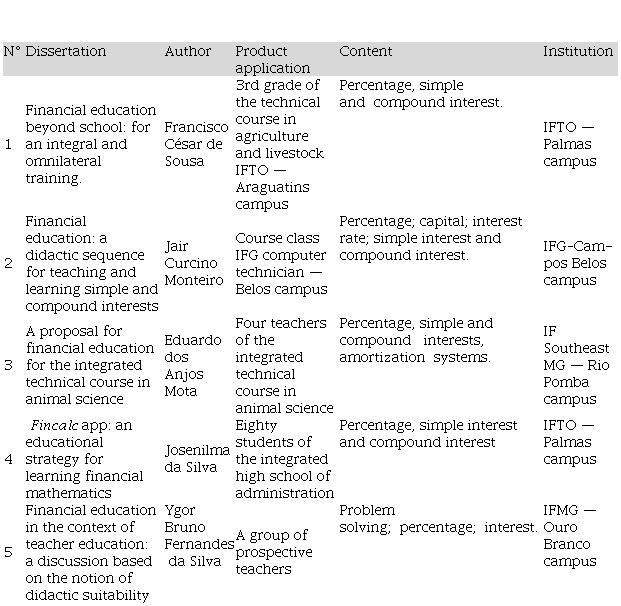
From this preliminary mapping, we identified 15 dissertations that contained elements linked to the descriptors “Financial Education” and “Financial Mathematics”. After reading and analyzing the respective abstracts, we selected five dissertations that were directly aligned with the research objectives. These five productions constituted the corpus analyzed in the study.
Chart 4: Dissertations on FE produced in ProfEPT in line with the research.
 Source: Prepared by the author, 2023
| N° | Dissertation | Author | Product application | Content | Institution |
| 1 | Financial education beyond school: for an integral and omnilateral training. | Francisco César de Sousa | 3rd grade of the technical course in agriculture and livestock IFTO — Araguatins campus | Percentage, simple and compound interest. | IFTO — Palmas campus |
| 2 | Financial education: a didactic sequence for teaching and learning simple and compound interests | Jair Curcino Monteiro | Course class IFG computer technician — Belos campus | Percentage; capital; interest rate; simple interest and compound interest. | IFG–Cam- pos Belos campus |
| 3 | A proposal for financial education for the integrated technical course in animal science | Eduardo dos Anjos Mota | Four teachers of the integrated technical course in animal science | Percentage, simple and compound interests, amortization systems. | IF Southeast MG — Rio Pomba campus |
| 4 | Fincalc app: an educational strategy for learning financial mathematics | Josenilma da Silva | Eighty students of the integrated high school of administration | Percentage, simple interest and compound interest | IFTO — Palmas campus |
| 5 | Financial education in the context of teacher education: a discussion based on the notion of didactic suitability | Ygor Bruno Fernandes da Silva | A group of prospective teachers | Problem solving; percentage; interest. | IFMG — Ouro Branco campus |
4. 4 Data analysis
After collecting data from a systematic literature review, the analysis stage begins in light of the Adaptation and Curriculum component of the ecological didactic suitability criterion. Of the 1,613 dissertations published until December 2023, fifteen addressed the theme of financial mathematics or FE, and among these, only five presented elements that directly dialogue with the principles of ecological suitability. The relevance of these works lies in the fact that, in addition to exploring content provided for in the National Common Core Curriculum (BNCC), such as percentage, simple and compound interest, financing and consumption, they are also concerned with aligning their objectives, methodologies, and educational products with contemporary issues of social life. It is precisely this alignment between mathematical content, the development of activities, curriculum objectives, and dialogue with the social, political, economic, and cultural context that can corroborate an emancipatory formation.
Mota (2020) articulates financial mathematics, FE, and students’ critical education, aligning with the Adaptation and Curriculum component of the ecological didactic suitability. Its educational product uses mobilizing texts and activities that relate content, such as percentages and interest, to reflections on consumption, happiness, and indebtedness. Drawing on Bauman (2008) and the song “Felicidade” by Seu Jorge, the author encourages critical analysis of social values and consumption practices, expanding teaching beyond calculations. This approach promotes conscious decision-making, contributing to a citizen and emancipatory training, in line with Sá, Jordane, and Giraldo (2022) and Silva and Powell (2013), and with the advances of the BNCC in vocational and technological education.
In Sousa’s (2023) discussions, in “Financial education beyond school: for a comprehensive and omnilateral education”, an activity notebook is presented as an educational product. This material covers the content of financial mathematics, such as percentages, simple and compound interest, personal budgeting, and entrepreneurship, all applied to everyday situations. The notebook explains objectives, competencies, and skills aligned with the BNCC and proposes methodologies that support teaching practice. The differential lies in the link between mathematical knowledge and students’ socio-professional training.
Monteiro’s work (2021) proposes a didactic sequence organized into four modules that progressively develop content on percentage, ratio, proportion, and simple and compound interest, according to BNCC guidelines. The activities aim to identify students’ prior knowledge and develop skills in economic and financial decision-making in real-world situations. The proposal constitutes a relevant pedagogical resource for the strengthening of FE in the school context.
In Silva (2020), the Fincalc application is presented as an educational strategy for the teaching of financial mathematics. The application, developed by the author, includes content on percentages, simple and compound interest, and integrates theory, videos, and questions, favoring learning. The proposal highlights the potential of digital technologies to construct knowledge and foster student engagement, contributing to their critical and participatory training. In addition to its technical content, Fincalc offers an opportunity to build knowledge by integrating diverse resources, such as videos, theoretical explanations, and practical activities, into an accessible digital interface.
In this sense, Silva (2020, p. 23) points out that digital technologies constitute a new cultural system in which the school assumes a central role as a space for the production of knowings and the development of cognitive, physical, and affective competencies. Thus, by exploring the pedagogical potential of digital tools, the author shows that FE and technology together can effectively contribute to the formation of critical, autonomous, and socially participatory subjects.
Silva (2022) remarks that, in the workshops conducted, it is possible to identify the content approach of simple interest, cash purchase, forward purchase, and consumerism. The author uses the problem-solving methodology as a didactic strategy, creating contextualized situations that enable students to reflect critically on everyday financial decisions. An example given is the problem posed about buying a notebook, in which participants are asked to compare payment options, consider emotional aspects, and analyze their own behavior in the face of consumption. The hypothetical situation, which involves choosing between installing the product and receiving it immediately or waiting to buy it in cash at a discount, encourages not only mathematical reasoning but also self-reflection on personal values and consumption impulses (Silva, 2022).
It should be noted that, in Silva’s (2022) workshops, the discussions were not restricted to mathematical calculations. There were moments of in-depth dialogue about the role of FE in society, with emphasis on the critical analysis of contemporary consumerism. The contents were distributed across three meetings, articulated around theory, practice, and reflection, supported by the methodology of problem solving and the principles of didactic suitability. This combination fostered a critical and citizen attitude among the students.
Regarding the categories of analysis, two central descriptors stand out: adaptation to the curriculum and socio-professional adaptation.
Adaptation to the curriculum is consistently manifested in three works, each of which contributes particularly to this dimension. Monteiro (2021) demonstrates adherence to BNCC guidelines by organizing a didactic sequence based on officially provided content, such as percentages, ratios, proportions, and interest, distributed across progressive modules consistent with curriculum skills. Sousa (2023) reinforces this category by explaining, in his activity notebook, the objectives, competencies, and skills that guide each proposal, ensuring systematic alignment between planning and teaching practice. Silva (2020) also engages with this dimension by integrating selected financial mathematics content into the Fincalc application in line with official guidelines. Although they address similar content, the three works complement each other by strengthening the link between FE and the school curriculum.
With regard to socio-professional adaptation, it manifests itself, above all, in works that articulate mathematical contents with concrete daily practices and the demands of the world of work. Mota (2020) stands out by relating percentage and interest to reflections on consumption, happiness, and indebtedness, promoting a critical analysis of the social values that influence financial choices. Sousa (2023) also falls into this category by linking content such as personal budget to students’ comprehensive education, recognizing the importance of professional insertion and financial planning for young people in VTE. Silva (2022), in turn, contributes by developing workshops based on problem solving that simulate real purchasing situations, payment comparisons, and analysis of consumption behavior, fostering self-reflection and responsible decision-making.
5. Final Considerations
This article aimed to understand how FE is approached in the context of VTE by examining research produced by institutions associated with the Postgraduate Program in Professional and Technological Education of ProfEPT, from the perspective of the Adaptation and Curriculum component of the ecological didactic suitability criterion.
The analysis of the five selected studies showed a significant relationship between FE and the Adaptation and Curriculum component of the ecological didactic suitability criterion. This conclusion is based on the elements found that align with the descriptors of this component, indicating that the assumptions of FE and VTE intersect and complement one another. Both approaches require reflection on citizenship, work, and education, reaffirming the need to integrate these dimensions in the formative process.
The reflections arising from this research corroborate so that the mathematics curricula within the VTE consider the following dimensions to foster comprehensive education:
• Development of autonomy: understanding that FE enables students to reflect on consumption, promoting personal and professional autonomy, contributing to a less consumerist society and less susceptible to indebtedness;
• Social inclusion: the inclusion of FE in the curriculum enables addressing issues of social inequality and the importance of public policies for marginalized communities, promoting a critical understanding of the economic dynamics that affect their lives, which yields greater social and cultural equity; and
• Preparation for the world of work: FE provides theoretical and practical training that supports human formation in the face of the challenges it poses. This dimension is fundamental in VTE, aligning education with the demands of the contemporary world.
The conduct of this investigation posed the challenge of identifying, in the repositories of the associated institutions, the dissertations and educational products developed in ProfEpt. Some of these institutions lack accessible repositories for their publications, while others have outdated databases, making it difficult to access their academic work.
As future investigations, we need to deepen our understanding of the relationships among FE, VTE, and OSA, incorporating the other components of ecological didactic suitability and their interrelationships, and contributing to the development of even more effective and contextualized pedagogical practices in the teaching of FE to VTE.
6. Bibliography
BANCO MUNDIAL. Pobreza e prosperidade compartilhada 2020: reversão da sorte. Washington: Banco Mundial, 2020.
BAUMAN, Z. Vida para consumo: a transformação das pessoas em mercadorias. Rio de Janeiro: Jorge Zahar Ed., 2008.
BRASIL. Estratégia Nacional de Educação Financeira (ENEF). Brasília: Banco Central do Brasil, 2022. Disponível em: https://www.bcb.gov.br/pre/pef/port/Estrategia_nacional_Educacao_Financeira_ ENEF.pdf. Acesso em: 1 dez. 2025.
BRASIL. Lei n. 9.394, de 20 de dezembro de 1996. Estabelece as diretrizes e bases da educação nacional. Diário Oficial da União: seção 1, Brasília, DF, 23 dez. 1996. Disponível em: https://www. planalto.gov.br/ccivil_03/leis/l9394.htm. Acesso em: 1 dez. 2025.
BRASIL, Ministério da Educação (MEC). Cursos da EPT. Disponível em: http://portal.mec.gov.br/ educacao-profissional-e-tecnologica-ept Acesso em 25 de junho de 2022.
BRASIL. Ministério da Fazenda. Negociar dívidas da faixa II com o programa Desenrola Brasil. Portal GOV.BR, 19 ago. 2025. Disponível em: https://www.gov.br/pt-br/servicos/negociar-dividas-da-faixaii-com-o-programa-desenrola-brasil. Acesso em: 15 ago. 2025.
BRASIL. Conselho Nacional de Educação/CP. Resolução nº 1, de 5 de janeiro de 2021. Define as Diretrizes Curriculares Nacionais Gerais para a Educação Profissional e Tecnológica. Brasília: Ministério da Educação, 2021.
CIAVATTA, M. A formação integrada: a escola e o trabalho como lugares de memória e de identidade. In. FRIGOTTO, G.; CIAVATTA, M; RAMOS, M.(orgs). Ensino Médio Integrado: concepção e contradições. São Paulo: Cortez, 2005.
CNC – CONFEDERAÇÃO NACIONAL DO COMÉRCIO DE BENS, SERVIÇOS E TURISMO. Pesquisa de Endividamento e Inadimplência do Consumidor (PEIC). Brasília, 2022. Disponível em: https://revista. uemg.br/intercursosrevistacientifica/article/download/8524/5237. Acesso em: 19 ago. 2025.
CNC – CONFEDERAÇÃO NACIONAL DO COMÉRCIO DE BENS, SERVIÇOS E TURISMO. Endividamento das famílias brasileiras: dados abril de 2025. Brasília, 2025. Disponível em: https://economia.uol.com.
EOS. Enfoque Ontosemiótico Del Conocimiento Y La Instruccioón Matemáticos. Página inicial. Disponível em: http://enfoqueontosemiotico.ugr.es/. Acesso em: 05 de jun. de 2023.
FGV/IBRE – FUNDAÇÃO GETÚLIO VARGAS. INSTITUTO BRASILEIRO DE ECONOMIA. Disparidades regionais do endividamento familiar e os vieses comportamentais. Rio de Janeiro, 2024. Disponível em: https://blogdoibre.fgv.br/posts/disparidades-regionais-do-endividamento-familiar-e-osvieses-comportamentais. Acesso em: 15 ago. 2025.
FIGUEIREDO, G.; BEGOSSO, L. C. Educação financeira: um jeito mais prático de aprender. Revista Intelecto, Assis, v. 3, p. 1-10, 2020.
FREIRE, P. Pedagogia da autonomia: saberes necessários à prática educativa. São Paulo: Paz e Terra, 1996.
GODINO, J. D. Indicadores de la idoneidade didáctica de processos de enseñanza y aprendizaje de las matemáticas. In: XIII CIAEM – IACME. Anais. Recife, 2011. Disponível em: http://www.ugr. es/~jgodino/eos/jdgodino_indicadores_idoneidad.pdf. Acesso em: 10 de setembro de 2025.
GODINO, J. D.; BATANERO, C.; BURGOS, M. Theory of didactical suitability: An enlarged view of the quality of mathematics instruction. Eurasia Journal of Mathematics, Science and Technology Education, v. 19, n. 6, art. em2270, 2023.
GODINO, J. D.; BATANERO, C. F.; FONT, V. Um enfoque onto-semiótico do conhecimento e a instrução matemática. Acta Scientiae–Revista de Ensino de Ciências e Matemática, Canoas, v. 10, n.2, jul./dez., p. 07- 37, 2008.
GODINO, J. D. Categorías de análisis de los conocimientos del profesor de matemáticas. UNIÓN, n. 20, p. 13-31, 2009.
MONTEIRO, J. C. Educação Financeira: Uma Sequência Didática Para O Ensino e Aprendizagem De Juros Simples e Compostos. Dissertação (Mestrado). Instituto Federal Goiano–Campus Campos Belos. Campos Belos, 2021.
MOSCA, A. Finanças comportamentais: gerencie suas emoções e alcance sucesso nos investimentos. Rio de Janeiro: Elsevier, 2009.
MOTA, E. A. Uma Proposta De Educação Financeira Para O Curso Técnico Integrado Em Zootecnia. Dissertação (Mestrado). Instituto Federal Do Tocantins Campus Palmas. Palmas, 2020.
PACHECO, E. M.; MORIGI, V. Ensino técnico, formação profissional e cidadania: a revolução da educação profissional e tecnológica no Brasil. Porto Alegre: Tekne, 2012.
PESSOA, C. Educação Financeira: o que tem sido produzido em mestrados e doutorados defendidos entre 2013 e 2016 no Brasil? In: CARVALHÊDO, J.; CARVALHO, M. V.; ARAÚJO, F. (orgs.). Produção de conhecimentos na Pós-graduação em educação no nordeste do Brasil: realidades e possibilidades. 2016.
SÁ, L. C.; JORDANE, A.; GIRALDO, V. O trabalho como princípio educativo em atividades de matemática na educação profissional e tecnológica. Bolema, Rio Claro, v. 36, n. 72, p. 1-20, 2022.
SILVA, A. M.; POWELL, A. B. Um programa de Educação Financeira para a matemática escolar da educação básica. In: XI Encontro Nacional de Educação Matemática, 11., 2013, Curitiba. Anais. Curitiba: Sociedade Brasileira de Educação Matemática, 2013.
SILVA, J. Aplicativo Fincalc: Uma Estratégia Educativa Para Aprender Matemática Financeira. Dissertação (Mestrado). Instituto Federal de Educação, Ciência e Tecnologia do Tocantins. Tocantins, 2020.
SILVA, Y. B. F. Educação Financeira no âmbito da formação de professores: uma discussão baseada na noção de Adequação Didática. 2022. Dissertação (Mestrado em Educação Profissional e Tecnológica) – Instituto Federal de Educação, Ciência e Tecnologia de Minas Gerais, Campus Ouro Branco, Ouro Branco, 2022.
SOUSA, F. C. Educação Financeira além da escola: para uma formação integral e omnilateral. 2023. Dissertação (Mestrado em Educação Profissional e Tecnológica) – Instituto Federal do Tocantins, Campus Palmas. Palmas, 2023.
STAFUZZA, G.; PEREIRA, M. A. Sentidos do discurso coaching financeiro no enunciado vídeo publicitário “Meu nome é Bettina” e possibilidade de cotejo. Revista de Estudos da Linguagem, [S. l.], v. 29, n. 3, p. 1685–1716, 2021
STEPHANI, M. Educação Financeira: uma perspectiva interdisciplinar na construção da autonomia do aluno. 2005. Dissertação (Mestrado em Educação) – Pontifícia Universidade Católica do Rio Grande do Sul. Porto Alegre, 2005.
Appendix – Editorial Details
Notes
¹ In this text, school financial education is adopted as a theoretical reference perspective. However, throughout the writing, we will use the expression financial education (EF) to denote this approach, preserving its scope and conceptual coherence in the development of the analysis.
² Available at: http://enfoqueontosemiotico.ugr.es/. Access on: 5 Jun. 2025.