1. Opening remarks
In the early 1980s, the social turn in mathematics education emerged as a movement that acknowledged the social and cultural aspects of mathematics. Lerman (2000) highlights the increased interest in the sociocultural elements involved in the teaching and learning process of this discipline. This change has enabled the development of research that considers socioculturally oriented contexts.
For example, Raher, Schliemann, and Carraher (1989) described how children who work selling candy in Brazil are highly competent in performing mathematical calculations on the job. However, they perform basic operations incorrectly at school.
Furthermore, Lave (1988) studied the mathematical practices employed by consumers in supermarkets and by individuals on a diet, describing fundamental questions about mathematical content, such as proportionality relations and decision-making, within the sociocultural context itself.
Valero, Andrade-Molina, and Montecino (2015) highlighted that the argument that mathematics and mathematics education (ME) are related to democracy, social justice, politics, and power also caused surprise, and in many cases, rejection of these assumptions related to the social turn in research and educational proposals.
These examples highlight an important relationship between mathematics and culture, which, according to Rosa (2010), meant a transformation in the typical educational paradigms of that time, since mathematics, in the traditionalist approach to the teaching and learning process, was related only to behavioral and cognitive elements, therefore, distant from culture.
This relationship between mathematics and culture began to take shape in the 1970s. Rosa and Orey (2023) report that, in 1977, Ubiratan D’Ambrosio first presented the term Etnomatemática [Ethnomathematics] in a lecture given at the 144th Annual Meeting of the American Association for the Advancement of Science, in Denver, Colorado, in the United States.
This term was consolidated in D’Ambrosio’s opening lecture, “Sociocultural Basis of Mathematics Education,” at ICME-5 in Adelaide, Australia, in 1984, which impelled the development of mathematics education (henceforth ME) through the official establishment of the Programa Etnomatemática (henceforth ethnomathematics program) as a field within Lakatosian research (Rosa and Orey, 2014a).
Sociocultural movements have discussed the values of ME, focusing on its political dimensions and issues of social justice. Thus,
This conception adds meaning to educational policies that advocate pedagogical work with projects, as we understand that faced with the diversity of sociocultural reality, education, within an ethics of diversity, is required to be responsible for the quality of propositions and interventions in this cycle if the transition of the subject of information is recognized and considered in their reality as co-agents of intervention in that same reality (Sousa, 2014, p. 10).
In this regard, Rosa (2010) argues that mathematics is related to social justice, as it seeks to guarantee equality and equity of opportunities for all members of a society, regardless of their origin, race, gender, social class, sexual orientation, religion, or any other individual or group characteristic.
In short, as proposed by the National Council of Teachers of Mathematics (NCTM, 2000), there must be a principle of equity, ensuring that all students have opportunities to learn mathematics and receive the necessary support, regardless of their sociocultural characteristics.
According to this perspective, D’Ambrosio (2021a) suggests that it is essential to demonstrate the importance of mathematics as a tool in preparing future generations to live in a world characterized by ethics, peace, and human dignity for all. Thus, the absence of references related to ethics in research conducted on mathematics (education) stands out.
On the other hand, D’Ambrosio (2021b) explains that mathematics is a cultural enterprise, developed throughout history so that humanity could solve problem situations faced in everyday life. This field of knowledge is characterized by rationality and is undeniably considered the backbone of modern civilization. All achievements in science and technology have their foundations in mathematics.
For example, the sciences of modern civilization, primarily economics, politics, management, and social order, are closely linked to mathematical knowledge (Rosa, 2010). Thus, when researching cultural issues and the ethics of diversity in the context of mathematics education, we seek to answer the following question: How can we (re)think the ethics of diversity and ethnomathematics to include new ways of understanding and using this ethical perspective in the context of mathematics education?
To this end, the theoretical support for this study is based on ethnomathematics, mathematical education, the ethics of diversity, and ethnomodelling, drawing primarily on the contributions of Ubiratan D’Ambrosio, particularly regarding the development of the ethnomathematics program and the conceptualization of the ethics of diversity.
2. Mathematics education
Fiorentini and Lorenzato (2006) explain that the term mathematics education (ME) is associated with the binomial education and mathematics, noting that, for many years, there was no consensus on mathematical objects, their studies, and their research.
Mathematics education (ME) is an area of knowledge in the social sciences or humanities that studies the teaching and learning process in mathematics, characterized as a praxis that involves mastering specific content (mathematics) and pedagogical ideas and processes related to the transmission/assimilation, and/or appropriation/construction of school mathematical knowledge. Thus, we can conceive of ME as a result of the multiple relationships that are established between the specific and the pedagogical in a context constituted by historical-epistemological, psychocognitive, historical-cultural, and sociopolitical dimensions (Fiorentini, 1989).
ME is a field of research that has a variety of relationships in specific historical and cultural contexts (Fiorentini, 1989). D’Ambrosio (1993) notes that, in ancient times, concerns were raised about mathematics teaching, particularly in Plato’s Republic VII, aimed at helping to solve complex problems. And in the Middle Ages, the Renaissance, and the early Modern Age, this became more pronounced.
Only after the three great revolutions of modernity—the Industrial Revolution (1767), the American Revolution (1776), and the French Revolution (1789)—did ME begin to take shape (D’Ambrosio, 1993). However, it was in the final four decades of the 20th century that it began to be considered a consolidated professional and scientific field.
Since then, a growing body of research has been conducted worldwide on postgraduate programs, lines of research, schools of thought, educational systems, scientific events, journals, books, and newspapers, as well as national and international research groups (Fiorentini and Lorenzato, 2006).
One of the sociocultural currents of this scientific and professional field is ethnomathematics, which respects and values mathematical knowings and doings developed in various sociocultural contexts. This program examines how members of different cultures perceive, engage with, and teach mathematics, highlighting that this curriculum component is not a universally standardized discipline, but rather a culturally situated practice (D’Ambrosio, 1993).
In 2024, the book Ethics and Mathematics Education, written by Paul Ernest, which addresses ME and its core teaching and learning activities, is entangled with issues of ethics and social justice. Although there are books on the connection between social justice and ME (D’Ambrosio, 2018; D’Ambrosio, 2021a; Burton, 2003), there was nothing until then dedicated to the ethics of mathematics and mathematics education.
Thus, Ernest (2024) argues that this book seeks to fill this gap, while, at the same time, explains that this absence is not an accidental oversight, as mathematics remains distant from ethics, claiming that, because it is objective, this field of knowledge is beyond good and evil. Similarly, Borba and Skovsmose (2008) argue that, from this perspective, mathematics has a shaping power over society.
The connection between ME and its continued identification with mathematics shows the relevance of ethics for education (Ernest, 2024). Although ME research related to ethics is insufficient, it is necessary to emphasize the investigative work developed by D’Ambrosio (1997), particularly in highlighting the ethics of diversity associated with two important concepts: survival and transcendence, which will be discussed in more detail in the following sections.
Although ME is at the intersection of several scientific fields (mathematics, psychology, pedagogy, sociology, epistemology, cognitive sciences, and semiotics, among others), it has its own problems and study questions, and cannot simply be seen as a particular application of the education and mathematics fields.
According to Fiorentini and Lorenzato (2006), ME is an area of knowledge in the social or human sciences that studies the teaching and learning process in mathematics. In general, ME is characterized by a praxis that involves the mastery of specific content (mathematics) and the mastery of pedagogical ideas and processes related to the transmission/assimilation, and/or appropriation of mathematical knowings and doings (education).
However, since educational practice is shaped by broader social practices, it serves certain human purposes, such as promoting ethical values that benefit members of different cultures and their concrete sociocultural aspirations. So, according to Sousa (2014, p. 11), we must
[...] consider reality within a critical transdisciplinarity and an ethics of diversity; ethnomathematics assumes concerns with the generation of mathematical knowledge, in a sociocultural context, without losing sight of the political aspects that hinder the integral vision of the human being. When considering the life cycle, it demonstrates a concern with the individual as a singular, political, and historical being. These subjective, intersubjective, and collective aspects of learning the ethics of mathematics, encompassing its ethnos—individual, knowledge, society, environment, culture, politics, and history, indeed indicate what we conceive as integral education.
The ME field encompasses the analysis of teaching and learning processes in mathematics, pedagogical methodologies, and assessment strategies that facilitate mathematical learning at various educational levels. Furthermore, this field aims to improve the quality of mathematics teaching, making it more accessible and relevant to all students, regardless of their abilities and backgrounds.
This scientific field not only seeks to improve the teaching and learning process in mathematics at different educational levels, but it also favors interdisciplinarity. The development of interdisciplinary models in mathematics began with Thorndike’s (1903) investigations, which established a relationship between mathematics and psychology.
Subsequently, the models proposed by Higginson (1980) and Steiner (1990) addressed the interdisciplinarity of mathematics education. Figure 1 shows the tetrahedron model, developed by Higginson (1980).
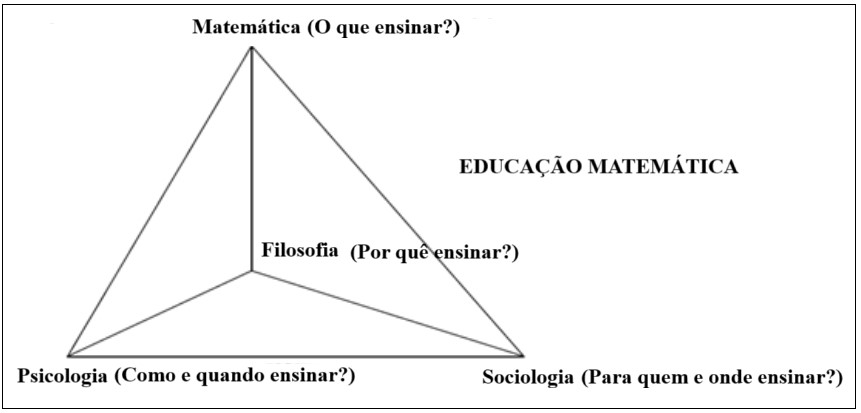 Figure 1: Higginson tetrahedron model (1980)
Source: Adapted from Burak and Klüber (2008, p. 96)
It is important to state here that Higginson’s tetrahedron represents the structure of mathematics education, consisting of mathematics, philosophy, psychology, and sociology, which address fundamental questions that arise in this field of knowledge: Mathematics (What should we teach?), Philosophy (Why should we teach it?), Sociology (For whom and where should we teach it?) and Psychology (When and how should we teach it?).
In this context, Higginson (1980) also described the applications of this model to clarify fundamental aspects related to: a) the understanding of traditional positions in the teaching and learning process in mathematics, b) the understanding of the causes that produced curriculum changes in the past, c) the prediction of future changes and d) the change in conceptions about research and teacher education.
Thus, Higginson (1980, p. 5) highlights that “there are several ways in which one can visualize the contributions of the four fundamental areas to mathematics education” which, for Burak and Klüber (2008), can be represented by the tetrahedron, considered as a way of perceiving the claim that the four fundamental areas are necessary and sufficient to determine the nature of mathematics education.
Hans-George Steiner (1985) developed another model in which the scientific discipline ME is embedded in a mathematics teaching system (MTS), which encompasses mathematics teachers’ education, curriculum development in mathematics, didactic materials, and assessment.
According to Godino (2010), MTS is part of a complex social system known as mathematics education and teaching. Figure 2 illustrates Steiner’s model (1990) and the relationships between the didactics of mathematics and other disciplines and systems.
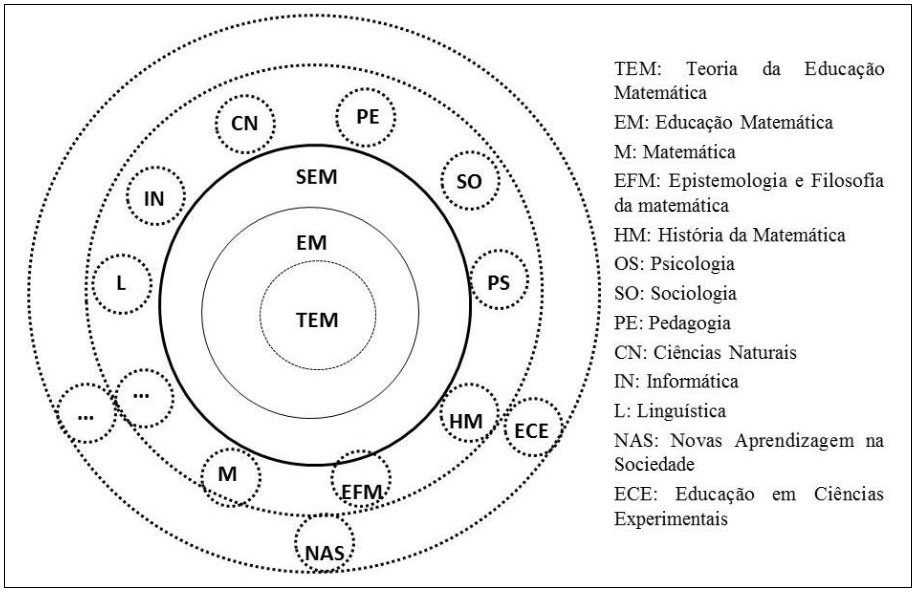 Figure 2: Steiner’s model (1990) and relations of the didactics of mathematics with other disciplines and systems
Source: Steiner (1990 apud Godino, 2010, p. 30)
The sciences of reference also comprise this model, including mathematics (M), epistemology and philosophy of mathematics (EFM), history of mathematics (HM), psychology (OS), linguistics (L), and sociology (SO). In the outer part of the diagram, Steiner (1990) relates the entire mathematics Education (EM) system to new learnings in society (NAS), to represent the teaching of ideas outside the school context and also the interrelations with experimental science education (ECE).
Thus, the theory in mathematics education (TME) is situated on the innermost plane, which contemplates and analyzes the entirety of a rich global system. TME would then be a component of ME, but inserted into a broader system called MTS (Godino, 2010).
The systemic vision of the model proposed by Steiner (1990) and Higginson’s tetrahedron (1980) is related to the interdisciplinary notion, as these models made it possible, in their specific historical moment, to understand the processes that intervene in the teaching and learning process of this discipline.
Likewise, D’Ambrosio (2022) reinforced the importance of interdisciplinarity, through which the results of different curriculum subjects are transferred and combined, as well as the methods of various curriculum components, such as the History of Mathematics. D’Ambrosio (2021a, p. 41) considers it important:
[...] to teach the history of mathematics, and, additionally, that the mathematics teacher knows their subject. However, the transmission of this knowledge through teaching depends on understanding how it originated, the primary motivations for its development, and the reasons for its inclusion in school curricula.
Therefore, the study of the history of mathematics has contributed to the development of a non-partial vision of knowledge, which makes it possible to reflect on the six dimensions of ethnomathematics, interconnected to conduct research and develop pedagogical actions in the school context.
Regarding the political dimension of ethnomathematics, Torres (1991) affirms that the first world map to appear in textbooks, known as the Mercator projection, was published in 1569. Although Greenland, an autonomous region of Denmark, is approximately 2,131,000 km² in size, it appears to be larger than Africa (30,220,000 km²), which may perpetuate a Eurocentric view of the importance of these regions in the global context.
According to this historical perspective, Fernandes (2021) notes that the history of mathematics is linked to the process of decolonization and the valorization of locally developed mathematical knowings and doings, given that European mathematics often denied the context of mathematical knowledge developed by members of other cultures.
Thus, the mathematical decoloniality movement seeks political, epistemic, and pedagogical emancipation, related to Eurocentric mathematical knowledge. D’Ambrosio (2013) highlights the importance of sociocultural and pedagogical aspects developed by members of different cultural groups, based on their historiographies and methodologies, which seek to promote their relevance for the improvement of society.
3. History of the development of mathematics education
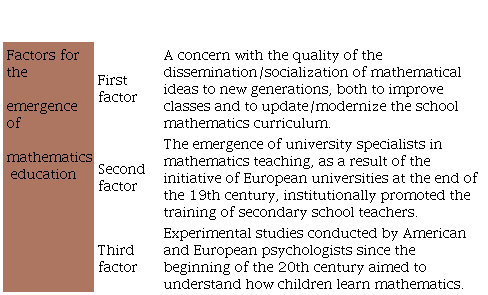
Researchers Fiorentini and Lorenzato (2006) prepared a detailed description of the emergence of ME as a scientific and professional field, indicating that it is the result of mathematicians’ concern about understanding and disseminating mathematical ideas to new generations, when they described three main factors that drove the emergence of ME, as shown in Chart 1.
Chart 1: Three factors for the emergence of mathematics education
 Source: Adapted from Fiorentini and Lorenzato (2006, p. 6)
| Factors for the emergence of mathematics education | First factor | A concern with the quality of the dissemination/socialization of mathematical ideas to new generations, both to improve classes and to update/modernize the school mathematics curriculum. |
| Second factor | The emergence of university specialists in mathematics teaching, as a result of the initiative of European universities at the end of the 19th century, institutionally promoted the training of secondary school teachers. |
| Third factor | Experimental studies conducted by American and European psychologists since the beginning of the 20th century aimed to understand how children learn mathematics. |
D’Ambrosio (2004) recalls that the beginning of the 19th century was marked by crises and conflicts of opinion related to educational reforms, which may have triggered a concern among mathematicians about how to efficiently and clearly convey mathematical ideas to new generations. He exemplifies with:
[...] the case of the English couple Grace C. Young (1868-1944) and William H. Young (1879-1932), who, in the book Beginner’s Book of Geometry, published in 1904, propose manual work, that is, concrete work, helping to teach abstract geometry. Their children became great mathematicians. The highly respected American mathematician Eliakim H. Moore (1862-1932) decided to write about education and, in a 1902 article, proposed a new program, including a system of integrated instruction in mathematics and physics, based on a permanent laboratory, whose main objectives were to develop to the maximum the true spirit of research, leading to the appreciation, both practical and theoretical, of the fundamental methods of science. But the most important step in the establishment of mathematics education as a discipline is due to the contribution of the eminent German mathematician Felix Klein (1849-1925), who published in 1908 a seminal book, Elementary Mathematics from an Advanced Standpoint. Klein advocates for a presentation in schools that adheres more to psychological than systematic foundations. He says that the teacher must, so to speak, be a diplomat, taking into account the student’s psychic process, to capture their interest. He states that teachers will only be successful if they present things in an intuitively understandable way (D´Ambrosio, 2004, p. 71-72, our emphasis).
Giraldo (2018) says that mathematician Felix Klein (1849-1925) denounced, as early as 1908, a dichotomy between the university education of mathematics teachers and classroom practice in primary schools. The ideas defended by this mathematician—the harmonious balance between the formal or abstract part of mathematics and its intuitive part—have influenced the teaching and learning process of this curriculum component, both secondary and elementary, in many countries, as Becerra (2006) notes.
In 1908, the establishment of the International Commission on Mathematical Instruction (ICMI) led to the organization of a series of international conferences between 1910 and 1914, during which specific problems related to methodology and teaching programs in mathematics were discussed (Becerra, 2006).
However, the First World War (1914-1919) paralyzed the activities of the Commission, which resumed in 1928. Once again, international congresses were interrupted by the Second World War (1939-1945) and resumed in the 1950s.
In this period, the paradigmatic Royaumont Seminar (1959) initiated a renewal movement in primary and secondary schools, enabling the emergence of the central lines of the Movement of Modern Mathematics (MMM), as well as discussions about the political guidelines for its implementation, which resulted in a proposal for reform of the teaching and learning process in mathematics (Moya, 2008).
At that seminar, the French mathematician Jean Dieudonné (1906-1992) revolutionized the teaching and learning of mathematics with the expression “Euclid must go!” when suggesting a series of changes to mathematics programs that were in accordance with the chronology and age of students (Moya, 2008).
Miguel et al. (2004) emphasize that this proposed change was not related to the forgetting and/or abandonment of geometry, but rather to the renewal and modernization of the teaching and learning process for geometric content.
In the 1980s, there were significant changes in the understanding of ME, marked by the emergence of sociocultural and sociocritical conceptions. D’Ambrosio (1980, p. 86) states that:
[...] at the end of the 19th century, entering the 20th century, we experienced a position of great importance in the entire university and scientific context for mathematical teaching and research. Although there are different schools and some relatively opposing currents, much of the mathematics that developed in the first half of the century followed the ideal of placing it in a logical-deductive context.
In 1987, Stieg Mellin-Olsen published the book The Politics of Mathematics Education, which established a new relationship between mathematics and politics by developing a political dimension for ME. This dimension aimed to question the power of mathematics and ME in society and also to understand how members of dominant cultural groups exercised this power.
Ole Skovsmose (1985) was the educator who explicitly marked the relationship between ME and sociocritical theory with the publication, in 1985, of the article “Mathematical education versus critical education.” According to Becerra (2006), this article establishes a connection between mathematics and democracy.
Therefore, it is clear that the emergence of ME was signaled by interdisciplinarity. Therefore, several authors have investigated the relationship between mathematics and interdisciplinarity (Klein, 1990; Lim and Koh, 2016). For example, Lim and Koh (2016) reviewed the literature on interdisciplinary learning in ME, highlighting the importance of integrating different areas of knowledge in the teaching and learning process in mathematics. They also discussed how this approach can enrich student learning by promoting connections between mathematical concepts and their application in different contexts.
For Lim and Koh (2016), this approach also aimed to develop critical and reflective skills, foster students’ interest and motivation, and enhance their ability to solve complex problems. However, specific teacher training and resistance to curriculum changes were identified as gaps in implementing interdisciplinary practices.
Lim and Koh (2016) also recommended future directions for research and practice in this area of knowledge, emphasizing the need to develop a curriculum that is more integrated with other subjects, aiming to break with the fragmentation of knowledge.
Tall (1991) affirms that this approach prepares students to effectively deal with real-world phenomena and problem situations through problem-solving, mathematical modelling, and mathematical practices that foster advanced mathematical thinking in students.
On the other hand, Klein (1990) investigated the connection between mathematics and science, presenting points of view based on research and educational practices that discussed how the integration of these subjects could improve students’ understanding and their ability to apply their knowledge in practical contexts.
Rosa (2010) states that this interdisciplinary approach in the curriculum enables students to perceive the interrelationships between mathematical and scientific concepts, as this connection encourages student engagement and facilitates the transcendence of skills from one area to another.
Furthermore, Klein (1990) presents practical examples of how educators can implement these connections in the classroom, while addressing some challenges, such as teacher education and the need to use appropriate teaching materials for the development of the teaching and learning process.
Thus, this pedagogical action aims to promote the connection between mathematics and sciences, preparing students to face everyday problems in a holistic, effective, and integrated way. This enables the association of school mathematical knowledge with mathematical knowings and doings used in students’ daily lives (Rosa and Orey, 2017).
Likewise, the National Common Curriculum Base–BNCC (Brasil, 2017), structured in competencies and skills that, despite differing from each other, are also complementary, explains the importance of interdisciplinarity for the teaching and learning process in mathematics:
[...] To ensure the development of specific competencies, each curriculum component presents a set of skills. These skills are related to different objects of knowledge – here understood as contents, concepts, and processes – which, in turn, are organized into thematic units (Brasil, 2017, p. 30).
Another element that is linked to the principle of interdisciplinarity in the BNCC (Brasil, 2017, p. 8) is related to the concept of competence, which is defined as:
[...] mobilization of knowledge (concepts and procedures), practical, cognitive, and socio-emotional skills, attitudes, and values to solve complex demands of everyday life, of the full exercise of citizenhood, and the world of work.
In this definition of competence, attitudes and values that differ from one cultural group to another are present, as there is a hierarchy of behaviors, values, conception of good and evil, lawful and unlawful, right and wrong, whose competencies are developed in the sociocultural context itself and which are related to the concepts of ethics and morals.
In accordance with this context, two diverse and different concepts emerge: ethics and morals, explained by Winck et al. (2018, p. 188) as follows:
[...] ethics consists of reflection on values. It reflects on the foundations of moral life. The function of a philosopher who dedicates him/herself to the study of ethics is to discuss (reflect) whether the moral values of a given era are ethical or not. By morals, we understand the practice of values, i.e., the set of rules or norms of conduct specific to a given society, a social group, or an individual. Knowing how a person behaves in the face of things is knowing their moral formation. In our philosophy of life, morality is present. A social actor devoid of any moral standard does not exist: it is the moral standard that makes people’s sociability possible.
Ethical and moral values must promote coexistence in society, as a multicultural country like Brazil necessitates raising awareness of the sociocultural differences within the population, while also understanding how this diversity is reflected in schools through interdisciplinary practices.
Mittitier and Lourençon (2017) point out that the assumptions of interdisciplinarity, which are included in the guiding documents of the curriculum in force in the country, address the relevance of interdisciplinarity for teaching pedagogical practice and the development and construction of knowledge, including mathematical knowledge.
However, as the BNCC (Brasil, 2017) discusses interdisciplinary learning to a lesser extent than the National Curriculum Parameters (PCN), it is necessary to question and study the implications of this fact broadly and holistically with educators, researchers, and society, through its educational institutions.
Freitas (2017) highlights the importance of the BNCC serving as a multicultural reference for the country, as a product of a diverse and multicultural nation, rather than merely a catalog of competencies and skills, aiming to prioritize the diverse contexts of learning styles present in Brazilian schools.
In short, the BNCC’s pedagogical proposal must be transversal and integrative to overcome the fragmentation of content and school curricula. Additionally, this document must also emphasize the ethical and moral relevance of members of the various cultural groups that comprise Brazilian society.
4. Ethnomathematics and the Ethics of Diversity
Culturally grounded pedagogical actions aim to overcome the fragmentation of mathematical content and school curricula, as they are related to the ethnomathematical perspective which, added to its anthropological character, also has an indisputable political focus, given that it is embedded in an ethic focused on the recovery of the cultural dignity of members of distinct cultural groups, relating to the ethics of diversity (D’Ambrosio, 2001).
Thus, the ethics of diversity is addressed in chapter five of the book Transdisciplinaridade
[Transdisciplinarity], by Ubiratan D’Ambrosio, in 1997, in which there is a discussion about the leading causes of an imminent planetary disaster with the demographic explosion, which is interconnected with:
1) An excessive demand for natural resources: as the population increases, the demand for water, food, and energy grows exponentially, putting pressure on natural resources and driving humanity towards unsustainable exploitation and environmental degradation.
2) Accelerated climate change: population growth contributes to higher greenhouse gas emissions, intensifying climate change, and resulting in extreme weather events such as droughts, floods, and hurricanes.
3) Loss of biodiversity: urban and agricultural growth direct the environment towards an intensification of deforestation and the destruction of ecological and environmental habitats, resulting in the extinction of species and the loss of biodiversity that are essential for the health of ecosystems.
4) Conflicts and social instability: competition for scarce resources, such as water and arable land, can lead to social tensions and conflicts that impact global peace and security.
5) Inequality and poverty: population growth often exacerbates social inequalities, as minority and/or marginalized communities have less access to resources and services, which can lead to humanitarian crises and social conflicts.
6) Overburdened health and education systems: population growth can overwhelm health and education systems, hindering access to essential services to meet the demands of a healthy school environment and life, consequently affecting human development.
According to D’Ambrosio (2001), when these factors are combined, they can create and develop an alarming scenario that requires urgent and effective actions to promote sustainable development and mitigate the risks associated with population growth.
Therefore, in this scenario, there must be ethics that respect the behavioral differences of members of different cultural groups and their cultural diversity. Some basic principles of the ethics of diversity, proposed in a transdisciplinary approach, seek to promote respect, solidarity, and cooperation (D’Ambrosio, 2001).
D’Ambrosio (1993) refers to ethnomathematics as a program that emerges from a nonconformity with the fragmentation of knowledge developed in arts, religion, philosophy, and the exact, social, and human sciences, which seeks to understand the development of mathematical knowledge in diverse sociocultural contexts, and whose historical and historiographical aspects show the importance of knowing history.
The ethnomathematics program aims to develop critical and reflective thinking, helping members of various cultures understand why they act in a particular way and, further, how they act in that way (D’Ambrosio, 1993).
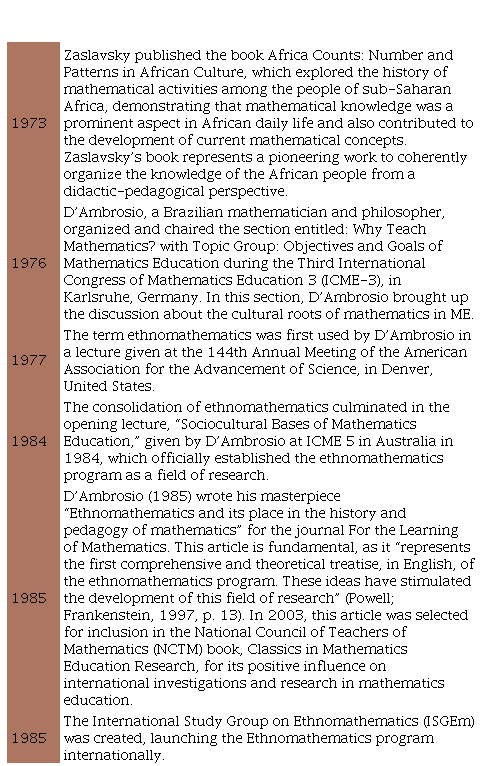
In this historical context, Rosa and Orey (2014b) highlight six fundamental facts for the development of the ethnomathematics program, presented in Chart 2.
Chart 2: Six fundamental facts for the development of the ethnomathematics program
 Source: Adapted from Rosa and Orey (2014b)
| 1973 | Zaslavsky published the book Africa Counts: Number and Patterns in African Culture, which explored the history of mathematical activities among the people of sub-Saharan Africa, demonstrating that mathematical knowledge was a prominent aspect in African daily life and also contributed to the development of current mathematical concepts. Zaslavsky’s book represents a pioneering work to coherently organize the knowledge of the African people from a didactic-pedagogical perspective. |
| 1976 | D’Ambrosio, a Brazilian mathematician and philosopher, organized and chaired the section entitled: Why Teach Mathematics? with Topic Group: Objectives and Goals of Mathematics Education during the Third International Congress of Mathematics Education 3 (ICME-3), in Karlsruhe, Germany. In this section, D’Ambrosio brought up the discussion about the cultural roots of mathematics in ME. |
| 1977 | The term ethnomathematics was first used by D’Ambrosio in a lecture given at the 144th Annual Meeting of the American Association for the Advancement of Science, in Denver, United States. |
| 1984 | The consolidation of ethnomathematics culminated in the opening lecture, “Sociocultural Bases of Mathematics Education,” given by D’Ambrosio at ICME 5 in Australia in 1984, which officially established the ethnomathematics program as a field of research. |
| 1985 | D’Ambrosio (1985) wrote his masterpiece “Ethnomathematics and its place in the history and pedagogy of mathematics” for the journal For the Learning of Mathematics. This article is fundamental, as it “represents the first comprehensive and theoretical treatise, in English, of the ethnomathematics program. These ideas have stimulated the development of this field of research” (Powell; Frankenstein, 1997, p. 13). In 2003, this article was selected for inclusion in the National Council of Teachers of Mathematics (NCTM) book, Classics in Mathematics Education Research, for its positive influence on international investigations and research in mathematics education. |
| 1985 | The International Study Group on Ethnomathematics (ISGEm) was created, launching the Ethnomathematics program internationally. |
As shown in Chart 2, the ethnomathematics program was developed through a historical and political process that enabled its evolution over time. D’Ambrosio (2001, p. 18) explains that:
[...] The ethnomathematics program aims to demonstrate that it is not about proposing an alternative epistemology, but rather about understanding the human species’ journey in the pursuit of knowledge and the adoption of behavior. I view the ethnomathematics program as being, at the same time, more consistent with the stance of a permanent search, proposed by transdisciplinarity.
Transdisciplinarity directs members of different cultural groups towards awareness of their essentiality and their insertion in social, natural, planetary, and cosmic reality (D’Ambrosio, 2001).
An immediate consequence of this essentiality is that this insertion can only be achieved through a relationship of respect, solidarity, and cooperation with others, and consequently, with communities, society, nature, and the planet, where everyone and everything are integrated into this cosmic reality. This is the awakening of consciousness in the acquisition of knowledge (D’Ambrosio, 2022).
Thus, the remarkable transformation through which humanity develops is related to the encounter of knowledge and consciousness, and this awakening of awareness is associated with an ethics of diversity (D’Ambrosio, 2022).
According to Rosa and Orey (2003), ethomathematics is a program that identifies with contemporary thought and, for this reason, it is not limited to just recording historical facts and practices, as it identifies with the philosophy and historiography of mathematical knowledge, since it is a (re)interpretation and a (re)reading of history and contemporaneity.
Thus, ethomathematics is attentive to the facts and practices carried out by members of distinct, minority, and/or marginalized cultural groups, especially the common mathematical techniques and procedures of communities, including those rejected, exploited, and dominated.
This program also examines the development of sophisticated mathematical thinking systems that aim not only to develop mathematical skills but also to understand how to do mathematics, translating the mathematical knowings and doings into other sociocultural contexts (Rosa and Orey, 2003).
Therefore, if members of a given cultural group consistently employ a mathematical system as a set of mathematical ideas, procedures, and techniques based on everyday practices that facilitate problem-solving, these systems can be described and understood through the sociocultural perspective of modelling (Rosa and Orey, 2003).
According to this perspective, D’Ambrosio and Rosa (2008) discuss ethnomathematics as a set of historical facts and techniques that developed in response to the needs of humanity and were passed down from generation to generation.
For example, D’Ambrosio (2001) mentions the mathematical practices developed in the Neolithic period, in Antiquity, and in other historical periods, noting the mathematical techniques and practices that emerged in local communities to understand the sociocultural evolution of humanity.
The history and philosophy of mathematics, as an organized body of knowledge with which humanity is familiar, can be defined as a set of rules and norms whose organization began at the end of the 15th century and at the beginning of the 16th century with the great navigations (D’Ambrosio, 2001).
In this context, Rosa (2010) highlights that, during this period, mathematics began to organize itself as an autonomous body of knowings, doings, and knowledge, without an analysis of the process of conquest, domination, and colonization, as well as their consequences for the peoples who were subjugated and colonized.
Thus, according to D’Ambrosio (1997, p. 51), “species cannot survive without an ethic that opposes the characteristics of modern thought and appeals to the simple and primary principle of preserving life and civilization on Earth. This is the essence of transdisciplinarity”, because its essence is transculturality and interdisciplinarity.
In this process, conventional mathematics and the system of mathematical thinking developed by members of a given cultural group can be used in daily activities. Thus, ethnomodelling emerges in the context of ethnomathematics and the sociocultural perspective of mathematical lmodelling to seek to understand how locally developed (emic) mathematical knowings and doings can interact dialogically (cultural dynamism) with each other and with mathematical knowledge established in other systems, such as school and academic systems (etic) (Rosa and Orey, 2017).
Ethnomodelling was developed by researchers Milton Rosa and Daniel Orey to highlight the connection between ethnomathematics and mathematical modelling, two trends in ME, through translations that are carried out between distinct mathematical knowledge systems (D´Ambrosio, 2021a; Rosa and Orey, 2010; Rodrigues, Orey, and Rosa, 2024).
Between 2010 and 2012, these authors wrote several articles in English to develop a theoretical basis for ethnomodelling investigations. Then, Rosa and Orey (2012) wrote one of the first articles in Portuguese called: “O Campo de Pesquisa em Etnomodelagem: as Abordagens Êmica, Ética e Dialética” [Research field in ethnomodelling: the emic, etic, and dialectical approaches].
These authors conceptualized it as a program that can develop pedagogical/methodological actions, considered as a practical application of ethnomathematics that incorporates cultural perspectives into the modelling processes (Rosa and Orey, 2012).
In this process, innovative ways are sought to promote the development of possibilities for explaining the numerous phenomena and common problem situations in the daily lives of members of different cultures. Hence, the following questions arise: a) Are there limits to knowledge? and b) Is there the possibility of a total system of knowledge or a theory? Some answers to these questions can be found in the history of science. Figure 3 illustrates the primary themes associated with ethnomodelling.
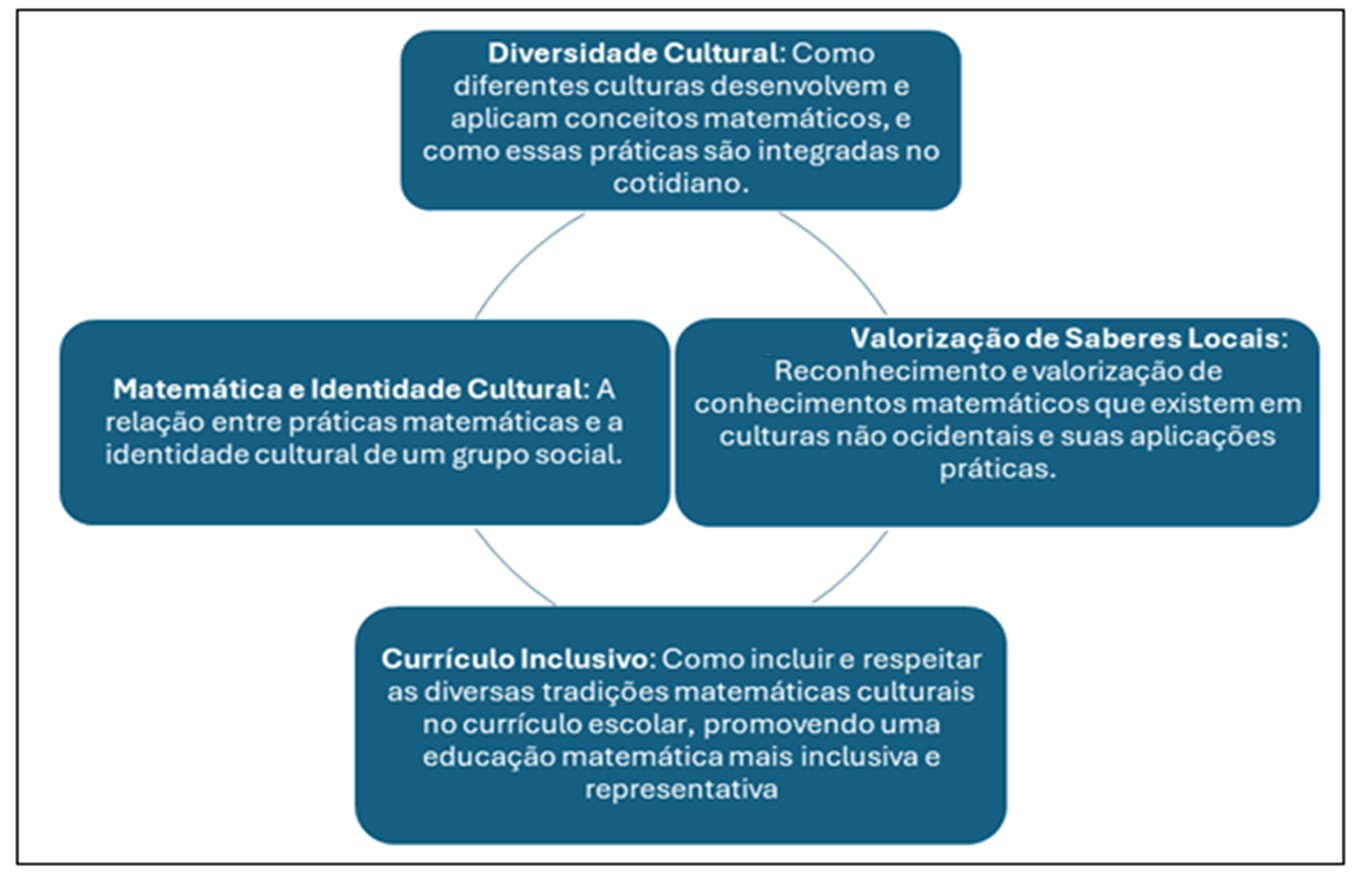 Figure 3: Themes related to ethnomodelling
Source: Authors’ archive
The problems that afflict contemporary society originated during the development of modern science, based on complementary scientific developments that began in the early 19th century.
Mathematically encoded in a view of the universe based on classical mechanics, humanity has obtained a power over nature that has produced an ever-increasing supply of material goods (D’Ambrosio, 1997). Therefore, D’Ambrosio (2011, p. 8) states that
The dominant system of knowledge, known as modern science, which developed from Mediterranean cultures, is characterized by having deepened our perception of the cosmos, the planet, and nature, where human beings are seen as a privileged species, holders of reason. This knowledge leads to behavior dictated by privileges. The various bodies of knowledge, structured according to the rational dimension, came to be called sciences, which ended up being identified with knowledge. The other dimensions appear in what are called traditions.
In the modern period, the Western world changed the way people conceived and described reality, because the “world view and the system of values that are at the basis of our culture, and that have to be carefully reexamined, were formulated in their essential lines in the sixteenth and seventeenth centuries” (Capra, 1982, apud D’Ambrosio, 1997, p. 49). In this direction, according to D’Ambrosio (1997, p. 51):
[...] the mechanistic model of society, nature, the universe, and life has impoverished the human conception. This perspective is absolutely consistent with the “scientific” conception of the universe as a machine, in which the human being is nothing more than a small cog.
There are also fundamental principles for the ethics of diversity that must be considered when conducting research, as well as in human behavior, in the pursuit of peace and social justice.
For D’Ambrosio (1997), the ethics of diversity rest on respect, solidarity, and cooperation, which are essential for the conduct of peace —a condition that must be present in encounters with the different, for the very existence of life. Similarly, Sousa (2014, p. 2) highlights that, in general, there are
[...] dialogues that can be established between the ethnomathematics program and education, especially the curriculum, highlighting key aspects that give this program characteristics of a comprehensive general theory of knowledge, with sociocultural bases, which translate into the recognition of an ethics of diversity, capable of being operationalized in an education towards the common good and peace.
Taking into account this broad and holistic sociocultural context, Sousa (2014, p. 5) also argues that there is a relationship between the
[...] individual and reality, [because] ethnomathematics can only be understood within a critical transdisciplinarity, which makes sense when it comes to an ethics of diversity, since human behavior and ethical values that can account for sociocultural diversity come into play.
For example, Figure 4 illustrates the evolution of ethics in diversity within ethnomathematics and ethnomodelling research.
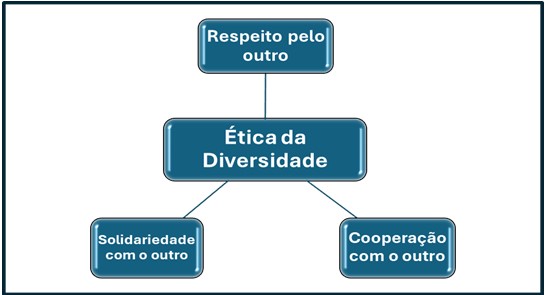 Figure 4: Development of the ethics of diversity in ethnomathematics and ethnomodelling research
Source: Adapted from D’Ambrosio (1997)
D’Ambrosio (2007, p. 71) clarifies that the balance between respect, solidarity, and cooperation consists of harmony between individuals, society, and nature, and that this harmonization constitutes a greater ethic, called “ethics of diversity”, whose elements are described below:
1) Respecting others within all their differences.
2) Solidarity with others in satisfying their needs for survival and transcendence.
3) Cooperation with others in preserving the common natural and cultural heritage.
For D’Ambrosio (2022), the ethics of diversity can also be operationalized in education as a means to pursue the common good and achieve total peace. In this holistic context, which relates individuals and reality, ethnomathematics is a program that internalizes a critical transdisciplinarity, in which human behavior and ethical and moral values are important elements of sociocultural diversity.
D’Ambrosio (2005, p. 102) indicates that, in the course of humanity’s development, some needs appeared to explain, understand, manage, and “coexist with the sensitive, perceptible reality, and with its imagination, naturally within a natural and cultural context”, the continuation of which is the main factor that drives the human will to meet survival needs in its sociocultural environment so that it can transcend, spatially and temporally, the sociocultural context itself.
According to D’Ambrosio (2007, p. 71), the ethics of diversity promotes the balance of human existence itself, which is related to the primordial triangle: individuals – nature – others/society, whose resolution depends on the “continuity of life as a cosmic phenomenon [...] of the ethics of diversity”.
This concern for nature can give rise to a systemic and ecological vision that creates balance and, consequently, harmony between members of different cultural groups (individuals). In turn, these individuals feel like participants and, therefore, a fundamental part of the sociocultural context in which they carry out their daily activities to survive and transcend through cultural, social, and natural dynamics.
D’Ambrosio (2007) explains that humanity is experiencing a moral and ethical crisis, in which the balance and harmonization of the primordial triangle—individual, nature, and others/society— are essential for developing an awareness of the ethics of diversity. In agreement with this perspective, D’Ambrosio (2007, p. 71) states that:
As a form of knowledge, mathematics has everything to do with ethics and, consequently, with peace [and social justice]. The search for new directions for the development of mathematics must be integrated into mathematical doings. Properly revitalized, mathematics, as it is practiced today in academia and research organizations, will continue to be the most important intellectual tool for explaining, understanding, and innovating, primarily helping to solve the major problems that affect humanity.
Consequently, Rosa (2010) emphasizes that ethics is fundamental for the development of more just, cohesive, and respectful communities and societies, as it is the basic element for improving social justice and equity, given that it seeks to harmonize members of different cultures (individuals) with society and nature.
This primordial triangle can be considered a driver of the ethics of diversity and a friendly, peaceful coexistence, which respects and values the locally and globally developed knowledge, knowings, and doings through a dialogical relationship that promotes cultural dynamism.
5. Final considerations
In this section, we aim to address the research question: How can we (re)think the ethics of diversity and ethnomathematics to incorporate new perspectives on understanding and applying this ethical dimension in the context of ME? Therefore, it is essential to recognize that any practice, in this case, mathematics education, is inherently accompanied by an ethical dimension. Therefore, the ethics of diversity is transversally related to the processes of teaching, learning, and assessment.
One of the trends in mathematics education is the ethnomathematics program, conceptualized as a research program with six dimensions. Specifically, the educational dimension considers school- or academic-based mathematical knowledge developed in educational environments.
This dimension aims to facilitate an improvement in school/academic mathematical concepts by incorporating the “values of humanity, synthesized in an ethic of respect, solidarity, and cooperation” (D’Ambrosio, 2001, p. 43) acquired outside the classroom.
Rosa and Orey (2017) state that in this dimension, there is a need to humanize mathematics so that this curriculum component becomes accessible to students, enabling them to deal with everyday problem situations and develop arguments to critically and reflectively question the events of daily life.
•One way to organize the teaching and learning process in mathematics based on the ethics of diversity is by structuring it into three important elements:
• Respecting others within all their differences, especially in multicultural environments, with migratory processes occurring due to wars and economic crises.
• Being in solidarity with others, particularly by developing acts of kindness, empathy, and compassion, and feeling a sense of connection in meeting their needs for both survival and transcendence.
• Cooperating with others to assist members of different cultures who need it, as well as to collaborate in the preservation of the shared natural and cultural heritage.
The goal of each of these elements is not to modify the others to suit the image and likeness of others, but to recognize in others their own values and behaviors (D’Ambrosio, 1997).
This conception of mathematics education can contribute to (re)thinking the ethics of diversity and ethnomathematics by including innovative ways, such as ethnomodelling, to understand and use this program in the development of the ethics of diversity in the context of ME.
Thus, criticism of the fragmentary nature of the mathematics curriculum and the need to respect and value members of distinct cultures in their essence “is valid because it is, not because of how it is” (D’Ambrosio, 1997, p. 153).
Therefore, the development of pedagogical actions that incorporate ethnomodelling and culturally based approaches is crucial for understanding that it is within the diversity of social and cultural contexts in the education systems that the ethics of diversity help members of various cultures to intervene responsibly in their realities.
By considering reality from the perspective of transdisciplinarity critically and reflectively, according to the ethics of diversity, ethnomathematics, as a program (Ethnomathematics program), assumes concerns related to the political aspects that make it impossible to develop an integral and holistic vision of members from different cultural groups.
However, one of the limitations identified during the conduct of this study is related to the development of pedagogical actions that are culturally grounded and also permeated by the ethics of diversity, critically and reflectively.
Therefore, we reiterate the need to conduct future research on pedagogical actions that are linked to the study of cultural procedures, techniques, and practices, whose local mathematical activities are present in the sociocultural context of the school community and that contain elements of solidarity, cooperation, and mutual respect and respect for others, which are the founding principles of the ethics of diversity.
6. References
BECERRA, Rosa. La formación del docente integrador bajo un enfoque interdisciplinario y transformador: desde la perspectiva de los grupos profesionales en educación matemática. 2006. Tese (Doutorado em Educação) – Universidad Pedagógica Experimental Libertador, Instituto Pedagógico de Caracas, Caracas, Venezuela, 2006.
BORBA, Marcelo de Carvalho; SKOVSMOSE, Ole. A ideologia da certeza em educação matemática. In: SKOVSMOSE, Ole. Educação matemática crítica: a questão da democracia. 4. ed. Campinas, SP: Papirus, 2008.
BRASIL. Ministério da Educação. Base Nacional Comum Curricular – Documento final. Brasília, DF: MEC, 2017. Disponível em: https://www.gov.br/mec/pt-br/escola-em-tempo-integral/BNCC_EI_ EF_110518_versaofinal.pdf. Acesso em: 8 out. 2024.
BURAK, Dionísio; KLÜBER, Tiago Emanuel. Educação matemática: contribuições para a compreensão de sua natureza. Acta Scientiae, v. 10, n. 2, p. 93-106, 2008.
BURTON, Leone. Which way for social justice in mathematics education? New York: Bloomsbury Publishing USA, 2003.
D’AMBROSIO, Ubiratan. Matemática e sociedade: considerações histórico-pedagógicas. Ciência e Filosofia, v. 2, p. 81-88, 1980.
D’AMBROSIO, Ubiratan. Ethnomathematics and its place in the history and pedagogy of mathematics. For the Learning of Mathematics, v. 5, n. 1, p. 41-48, 1985.
D’AMBROSIO, Ubiratan. Educação matemática: uma visão do estado da arte. Pro-posições, v. 4, n. 1, p. 7-17, 1993.
D’AMBROSIO, Ubiratan. Educação matemática: da teoria à prática. Campinas, SP: Papirus, 1996.
D’AMBROSIO, Ubiratan. Transdisciplinaridade. São Paulo (SP): Palas Athena, 1997.
D’AMBROSIO, Ubiratan. Etnomatemática: elo entre as tradições e a modernidade. 1. ed. Belo Horizonte, MG: Autêntica, 2001.
D’AMBROSIO, Ubiratan. Um enfoque transdisciplinar à educação e à história da matemática. Educação Matemática: Pesquisa em Movimento, v. 4, p. 13-31, 2004.
D’AMBROSIO, Ubiratan. Etnometodologia, etnomatemática, transdisciplinaridade: embasamentos crítico-filosóficos comuns e tendências atuais. Revista Pesquisa Qualitativa, v. 1, n. 1, p. 155-168, 2005.
D’AMBROSIO, Ubiratan. Etnomatemática: elo entre as tradições e a modernidade. 2. ed. Belo Horizonte (MG): Autêntica, 2007.
D’AMBROSIO, Ubiratan. A transdisciplinaridade como uma resposta à sustentabilidade. Terceiro Incluído, v. 1, n. 1, p. 1–13, 2011.
D’AMBROSIO, Ubiratan. Priorizar história e filosofia da matemática na educação. Revista Tópicos Educacionais, v. 18, n. 1-2, p. 159-175, 2012.
D’AMBROSIO, Ubiratan. Por que e como ensinar história da matemática. Rematec, Belém, v. 8, n. 12, p. 07–21, 2013.
D’AMBROSIO, Ubiratan. Etnomatemática, justiça social e sustentabilidade. Estudos Avançados, v. 32, p. 189-204, 2018.
D’AMBROSIO, Ubiratan. A interface entre história e matemática: uma visão histórico-pedagógica. Revista História da Matemática para Professores, v. 7, n. 1, p. 41-64, 2021a.
D’AMBROSIO, Ubiratan. Um sentido mais amplo de ensino da matemática para a justiça social. Cuadernos de Investigación y Formación en Educación Matemática, número especial, p. 166-182, 2021b.
D’AMBROSIO, Ubiratan. Transdisciplinaridade e a proposta de uma nova universidade. Rematec, v. 17, n. 40, p. 01-19, 2022.
D’AMBROSIO, Ubiratan; ROSA, Milton. Um diálogo com Ubiratan D’Ambrosio: uma conversa brasileira sobre etnomatemática. Revista Latinoamericana de Etnomatemática, v. 1, n. 2, p. 88-110, 2008.
ERNEST, Paul. Ethics and mathematics education: the good, the bad, and the ugly. Cham, Switzerland: Springer, 2024.
FERNANDES, Filipe Santos. Matemática e colonialidade, lados obscuros da modernidade: giros decoloniais pela educação matemática. Ciência & Educação, v. 27, p. 1-15, 2021.
FIORENTINI, Dario. Tendências temáticas e metodológicas da pesquisa em educação matemática. In: ENCONTRO PAULISTA DE EDUCAÇÃO MATEMÁTICA. Anais [...]. Campinas, SP: SBEM, p. 186-193, 1989.
FIORENTINI, Dario; LORENZATO, Sergio. Investigação em educação matemática: percursos teóricos e metodológicos. Campinas, SP: Autores Associados, 2006. (Coleção Formação de Professores, 2010).
FREITAS, L. C. BNCC: como os objetivos serão rastreados. Avaliação Educacional. Blog do Freitas. 2017. Disponível em: https://avaliacaoeducacional.com/2017/04/07/, Acesso em 30 de março de 2025.
GIRALDO, Victor. Formação de professores de matemática: para uma abordagem problematizada. Ciência e Cultura, v. 70, n. 1, p. 37-42, 2018.
GODINO, Juan. Perspectiva de la didáctica de las matemáticas como disciplina tecnocientífica. Granada, España: Universidad de Granada, 2010.
HIGGINSON, William. On the foundations of mathematics education. Montreal; Quebéc: LM Publishing Association, 1980
KLEIN, Julie Thompson. Interdisciplinarity: history, theory, and practice. New York: State University of New York Press, 1990.
Lave, Jean (1988). Cognition in practice: mind, mathematics and culture in everyday life. Cambridge, England:Cambridge University Press, 1988.
LERMAN, S. Stephen. The social turn in mathematics education. In: BOALER, J. (Ed.). Multiple perspectives on mathematics teaching and learning. Westport, CT: Ablex, 2000. p. 19-44.
LIM, Kyu Yon; KOH, Kiy Han. Interdisciplinary learning in mathematics education: a review of the literature. Journal of Mathematics Education, v. 9, n. 2, p. 1-18, 2016.
MIGUEL, Antonio, GARNICA, Antonio Vicente Marafioti, IGLIORI, Sonia, Barbosa Camargo; D’AMBROIO, Ubiratan. A educação matemática: breve histórico, ações implementadas e questões sobre sua disciplinarização. Revista brasileira de Educação, v. 27,n. 3, p. 70-93, 2004.
MITTITIER, Juliana Gouvêa; LOURENÇON, Bárbara Negrini. Interdisciplinaridade na BNCC: quais perspectivas. In: SEMATED-SEMANA DE MATEMÁTICA E EDUCAÇÃO: TENDÊNCIAS EM EDUCAÇÃO MATEMÁTICA, 6. Anais [...]. Araraquara, SP: IFSP, 2017. p. 1-5.
MOYA, Andres. Elementos para la construcción de un modelo de evaluación en matemática para el nivel de educación superior. 2008. Tesis Doctoral. UPEL. Instituto Pedagógico de Caracas, Venezuela.
NCTM. Principles and standards for school mathematics. Reston, VA: NCTM, 2000.
RAHER, David William; SCHLIEMANN, Analúcia Dias; CARRAHER, Terezinha Nunes. Na vida dez, na escola zero. 3. ed. São Paulo (SP): Cortez Editora, 1989.
RODRIGUES, Jessica; OREY, Daniel C.; ROSA, Milton. Trilhando novos caminhos por meio da etnomodelagem: valorizando saberes e fazeres matemáticos nas trilhas etnomatemáticas. Ensino e Tecnologia em Revista, v. 8, n. 2, p. 337-356, 2024.
ROSA, Milton. A mixed-methods study to understand the perceptions of high-school leaders about ELL students: the case of mathematics. College of Education. Doctorate Dissertation in Education – Educational Leadership. Sacramento, CA: California State University, Sacramento (CSUS), 2010.
ROSA, Milton; OREY, Daniel. C. Vinho e queijo: etnomatemática e modelagem! Bolema, v. 16, n. 20, p. 1-11, 2003.
ROSA, Milton; OREY, Daniel Clark. Ethnomodelling as a pedagogical tool for the ethnomathematics program. Revista Latinoamericana de Etnomatemática, v. 3, n. 2, p. 14-23, 2010.
ROSA, Milton; OREY, Daniel Clark. O campo de pesquisa em etnomodelagem: as abordagens êmica, ética e dialética. Educação e Pesquisa, v. 38, n. 4, p. 865-879, 2012.
ROSA, Milton.; OREY, Daniel Clark. Fragmentos históricos do programa etnomatemática. In: ENCONTRO LUSO-BRASILEIRO DE HISTÓRIA DA MATEMÁTICA, 6. Anais [...]. p. 535-558, 2014a.
ROSA, Milton; OREY, Daniel Clark. Interlocuções polissêmicas entre a etnomatemática e os distintos campos de conhecimento etno-x. Educação em Revista, v. 30, p. 63-97, 2014b.
ROSA, Milton; OREY, Daniel. C. Etnomodelagem: a arte de traduzir práticas matemáticas locais. São Paulo (SP): Editora Livraria da Física, 2017.
ROSA, Milton.; OREY, Daniel. Ubiratan D’Ambrosio e o desenvolvimento do programa etnomatemática. ACERVO-Boletim do Centro de Documentação do GHEMAT-SP, v. 5, p. 1-11, 2023.
SKOVSMOSE, Ole. Mathematical education versus critical education. Educational Studies in Mathematics, v. 16, n. 3, p. 337-354, 1985.
SOUSA, Olenêva Sanches. Ubiratan D’Ambrosio e etnomatemática: um panorama teóricoepistemológico-metodológico. In: JORNADAS LATINOAMERICANAS DE ESTUDIOS EPISTEMOLÓGICOS EN POLÍTICA EDUCATIVA, 2. Anais [...]. Curitiba, PR: ReLePe, 2014. p. 1-23.
STEINER, Hans-Georg. Theory of mathematics education (TME): an Introduction. For the Learning of Mathematics v. 5, n. 2. p. 11-17, 1985.
TALL, David. Advanced mathematical thinking. Dordrecht, The Netherlands: Kluwer, 1991.
THORNDIKE, Edward Lee. The elements of psychology. New York, NY: A. G. Seiler, 1903.
VALERO, Paola; ANDRADE-MOLINA, Melissa.; MONTECINO, Alex. Lo político en la educación matemática: de la educación matemática crítica a la política cultural de la educación matemática. RELIME, v. 18, n. 3, p. 7-20, 2015.
WINCK, Otto Leopoldo; TRICHES, Ivo José; REZENDE, Cláudio Joaquim, MACHADO, Wanderley, SILVA, Luciano, D.; TRICHES, Natalina. Filosofia da educação. Curitiba, PR: IESDE Brasil, 2018.
Appendix – Editorial Details